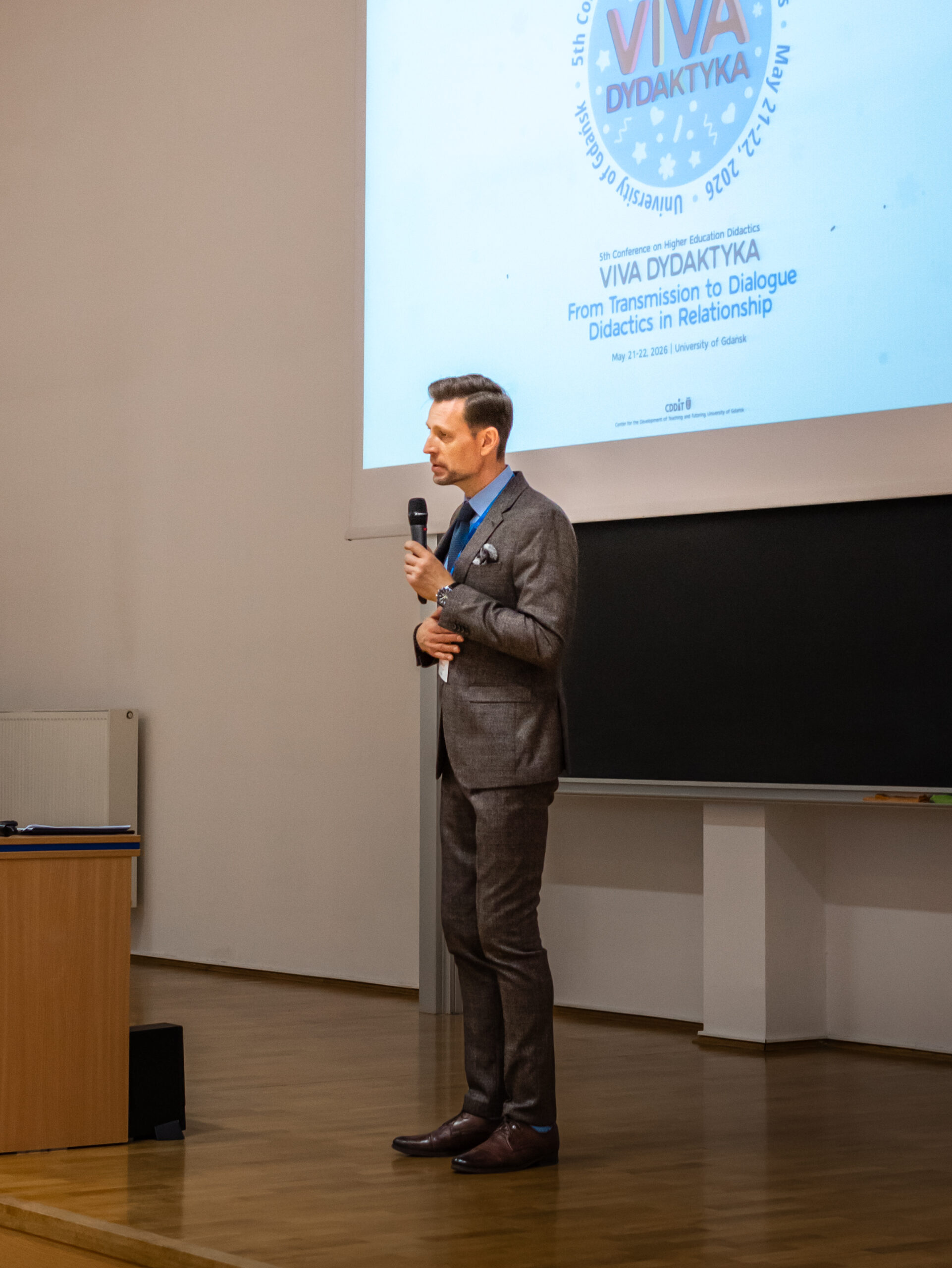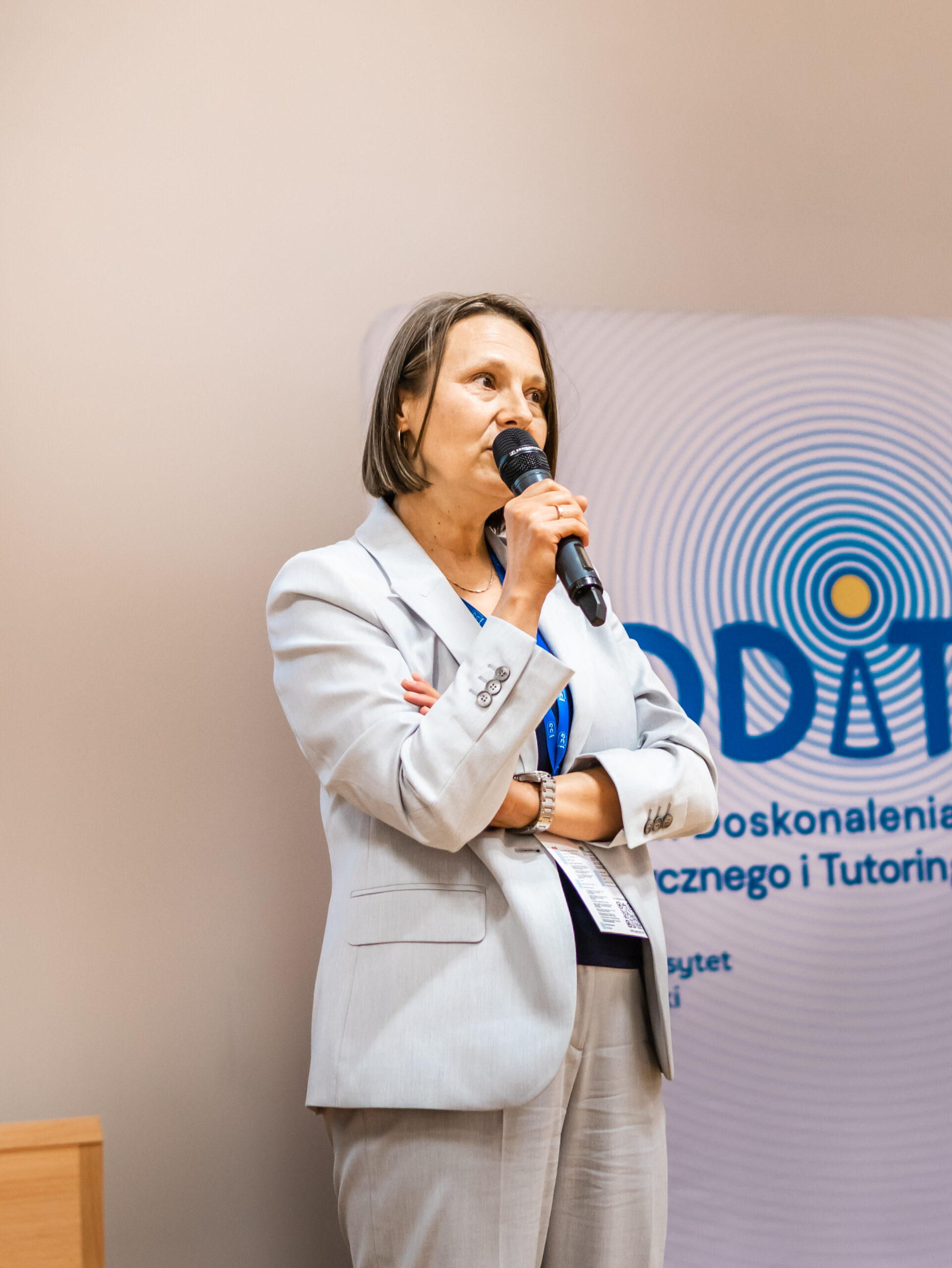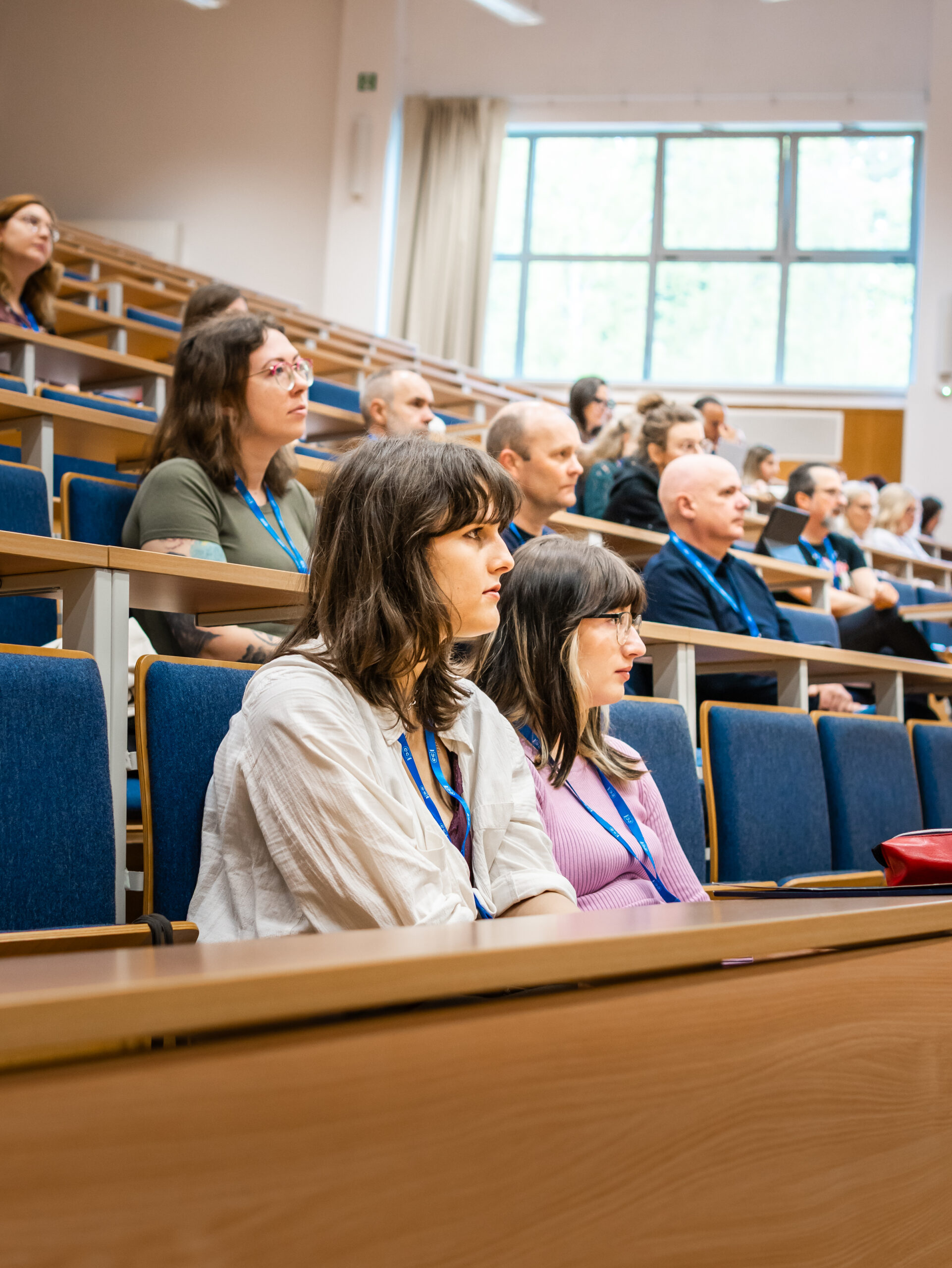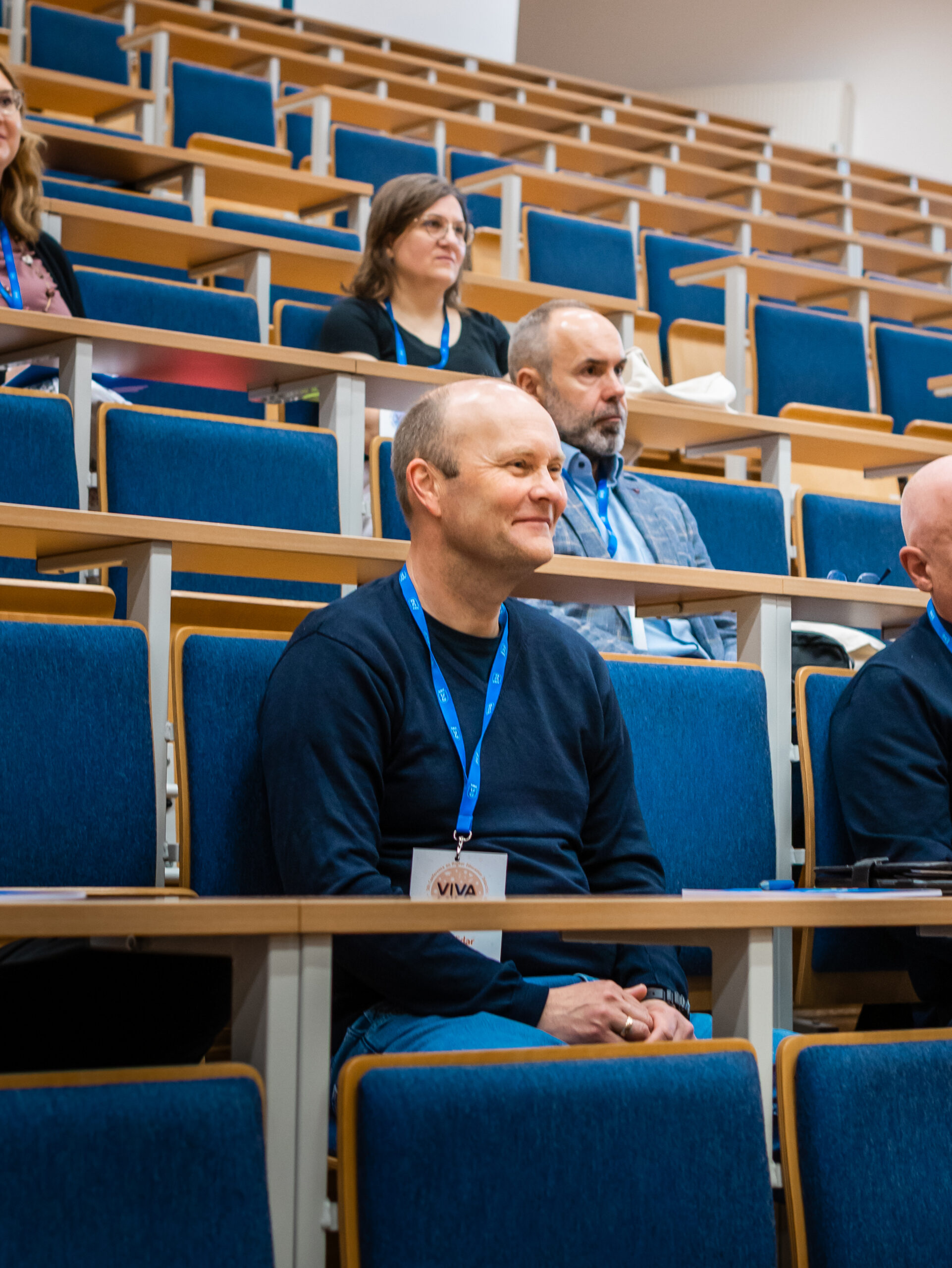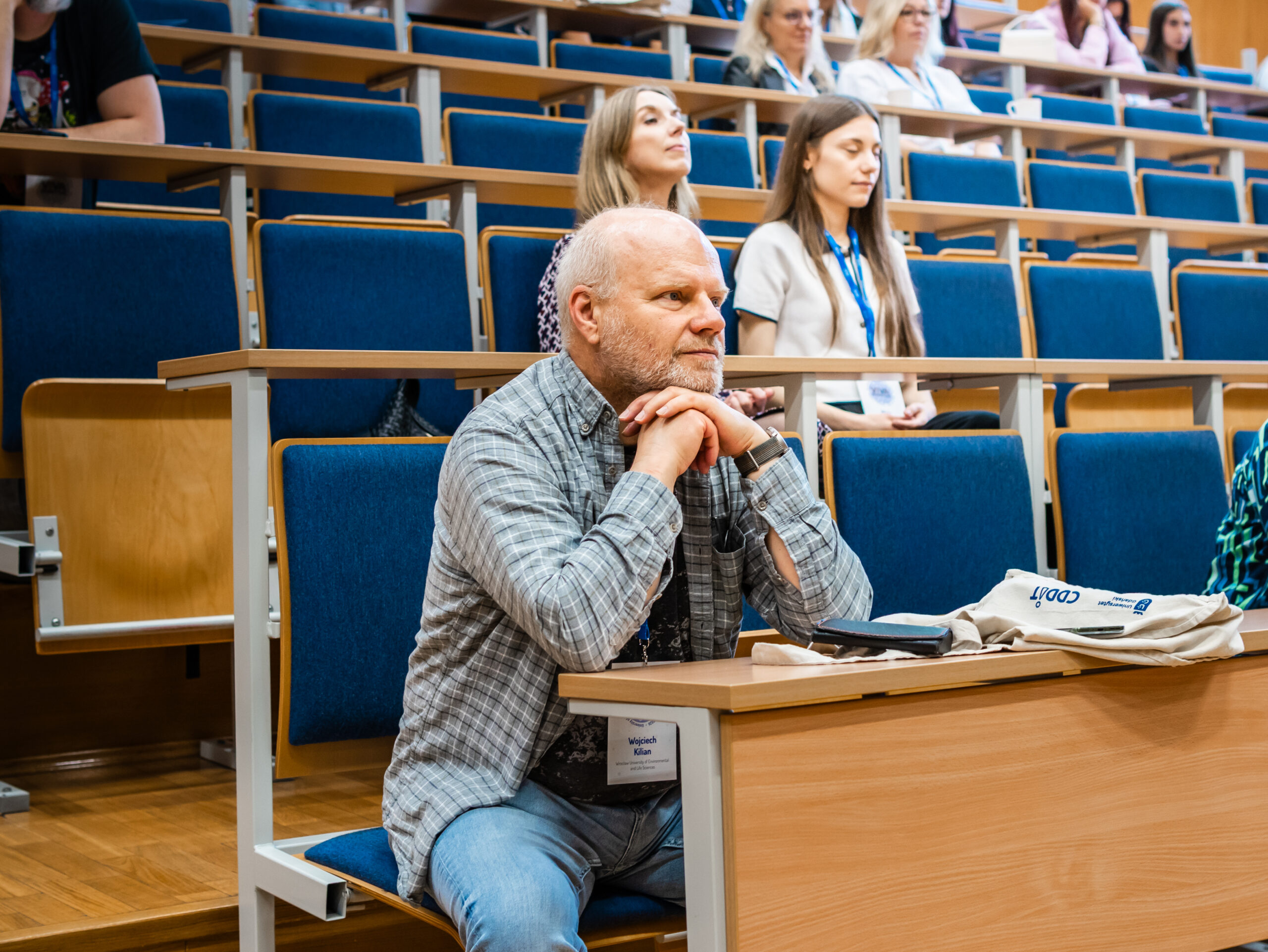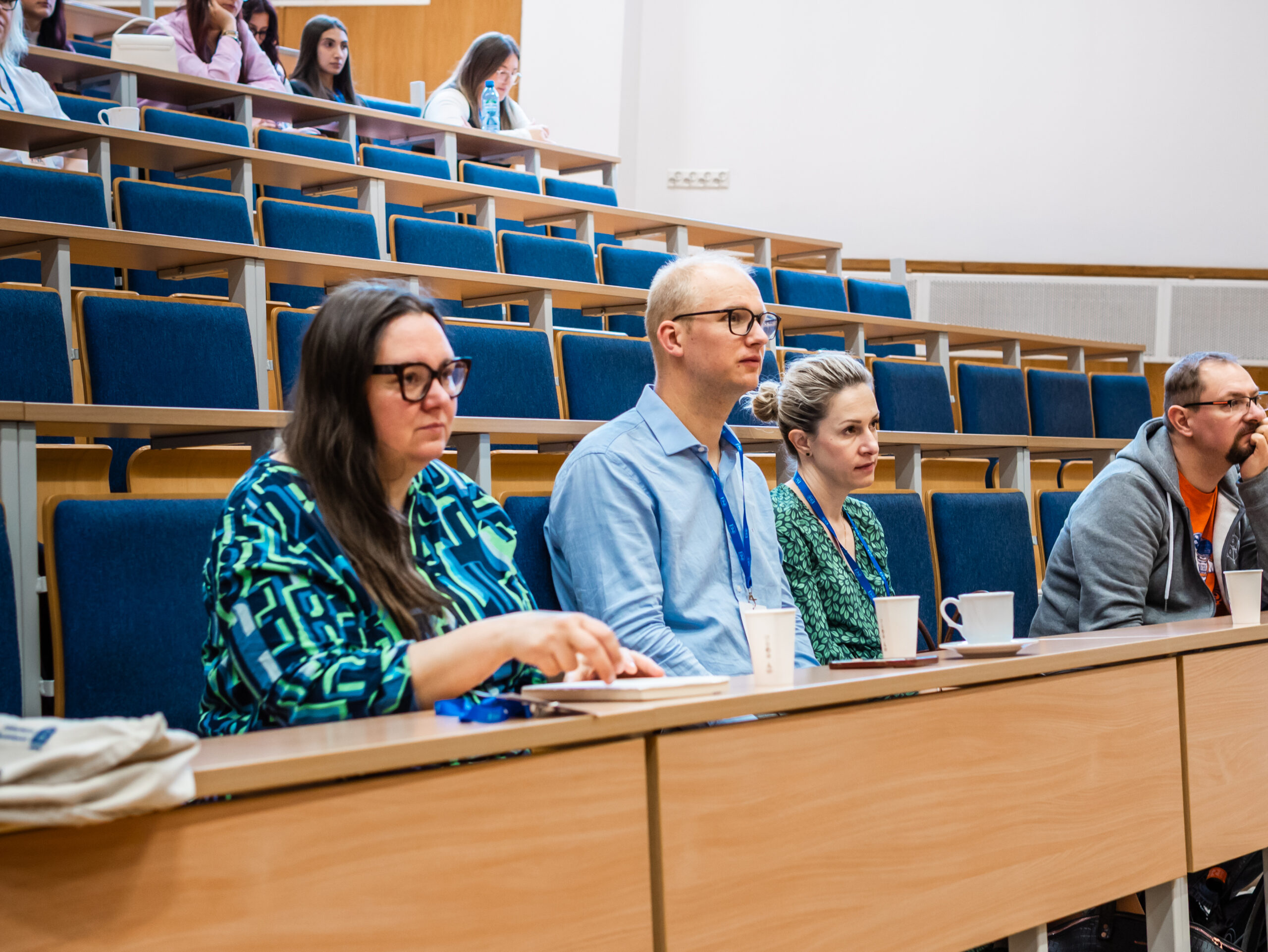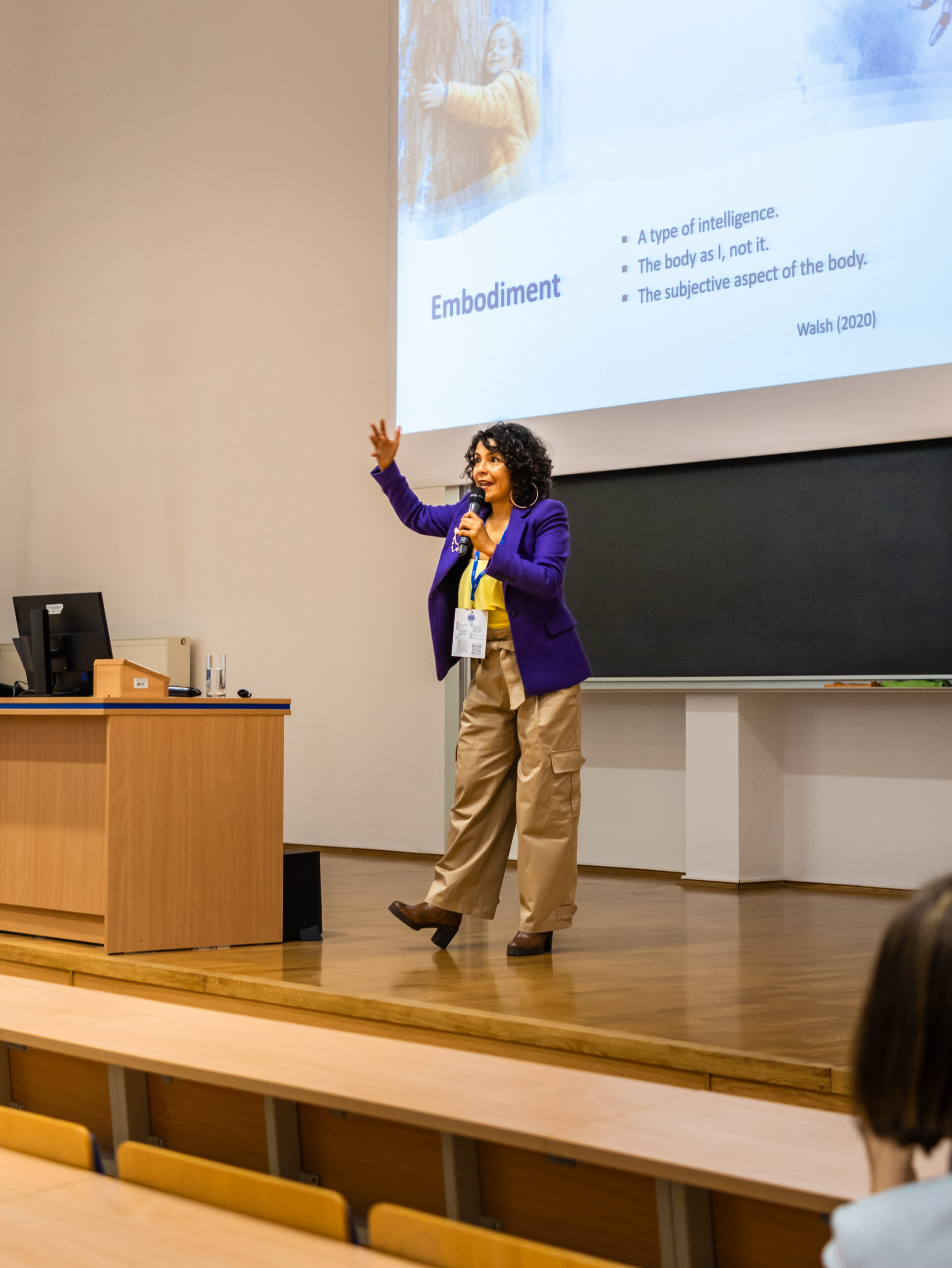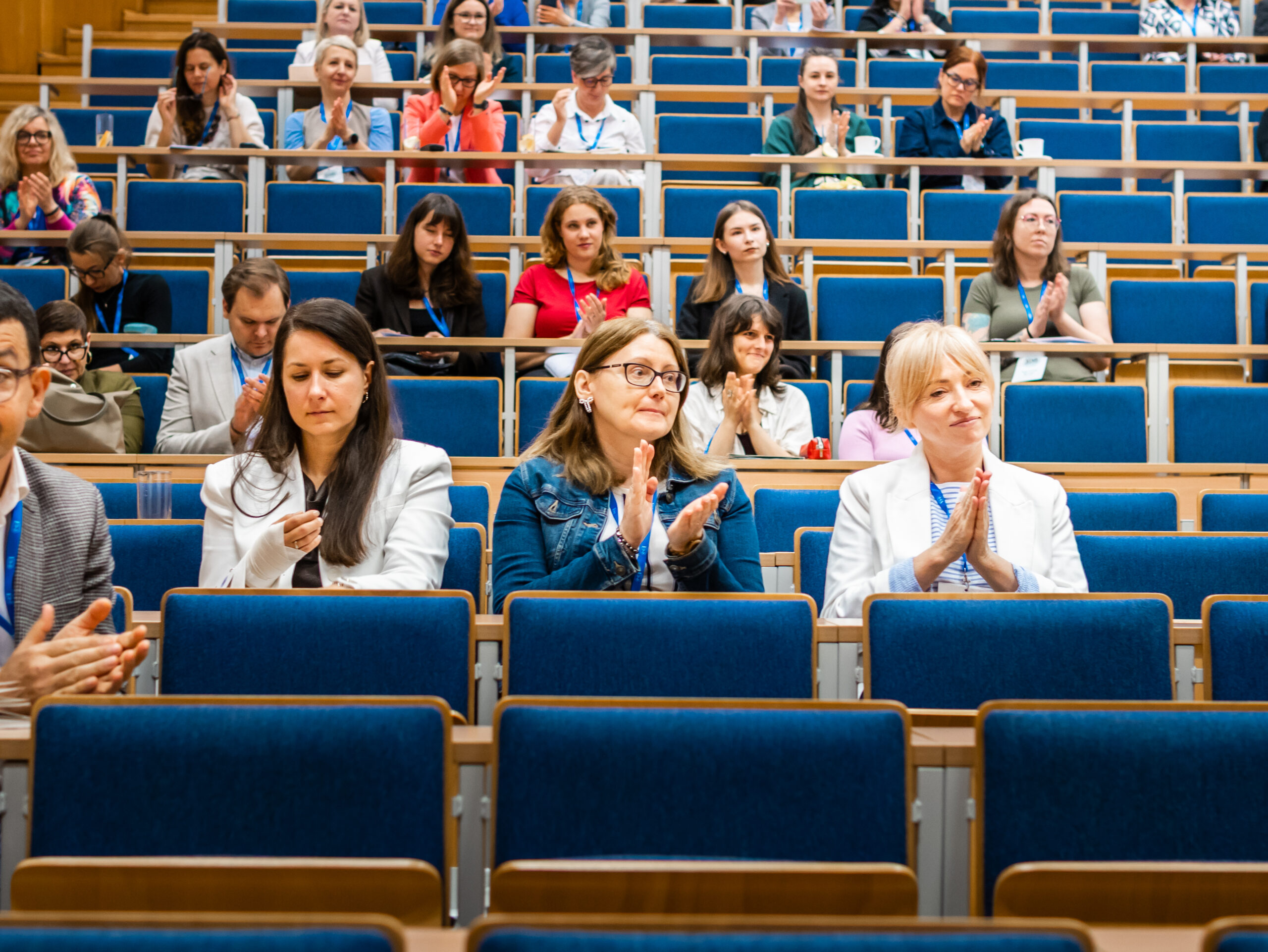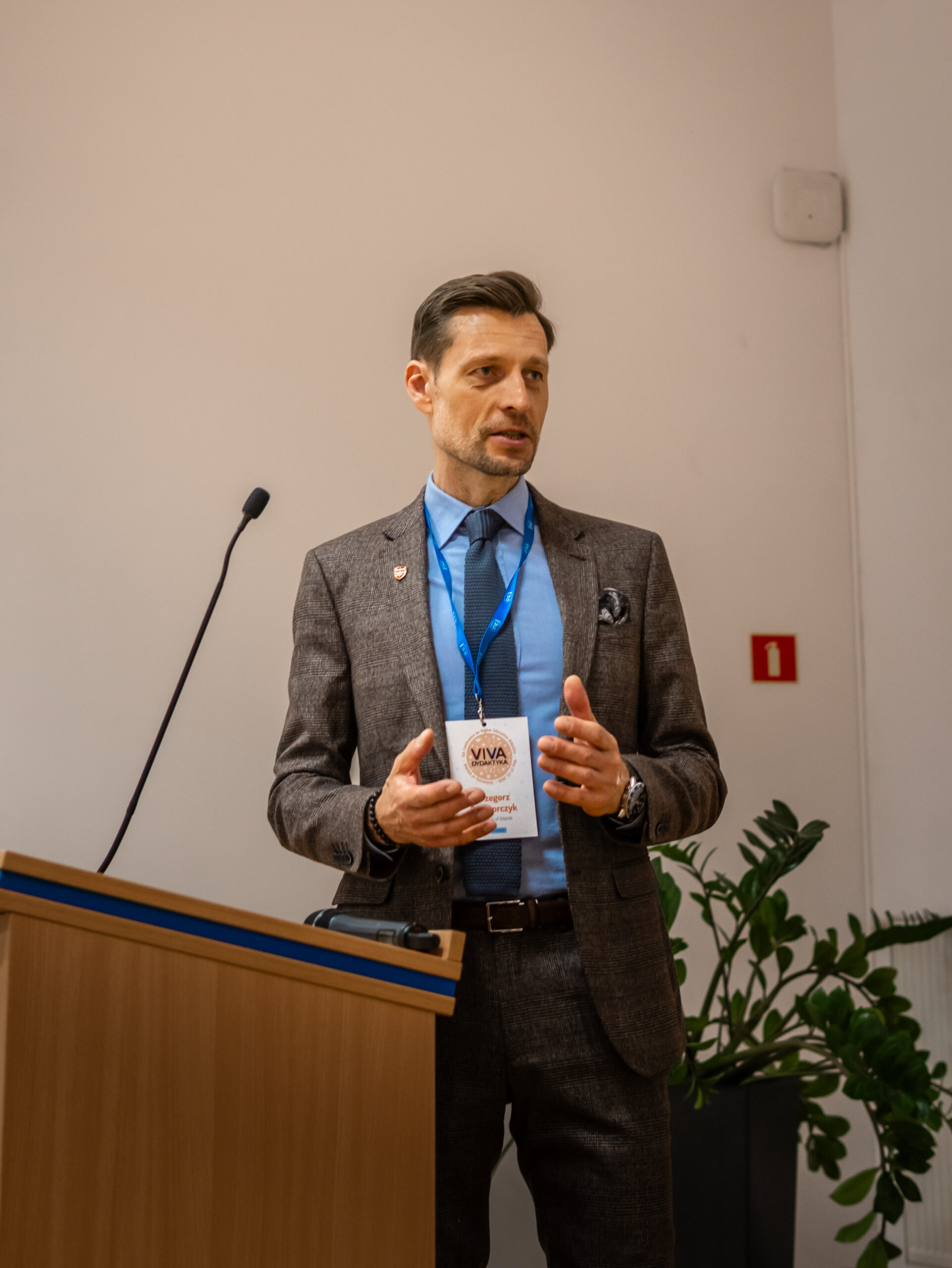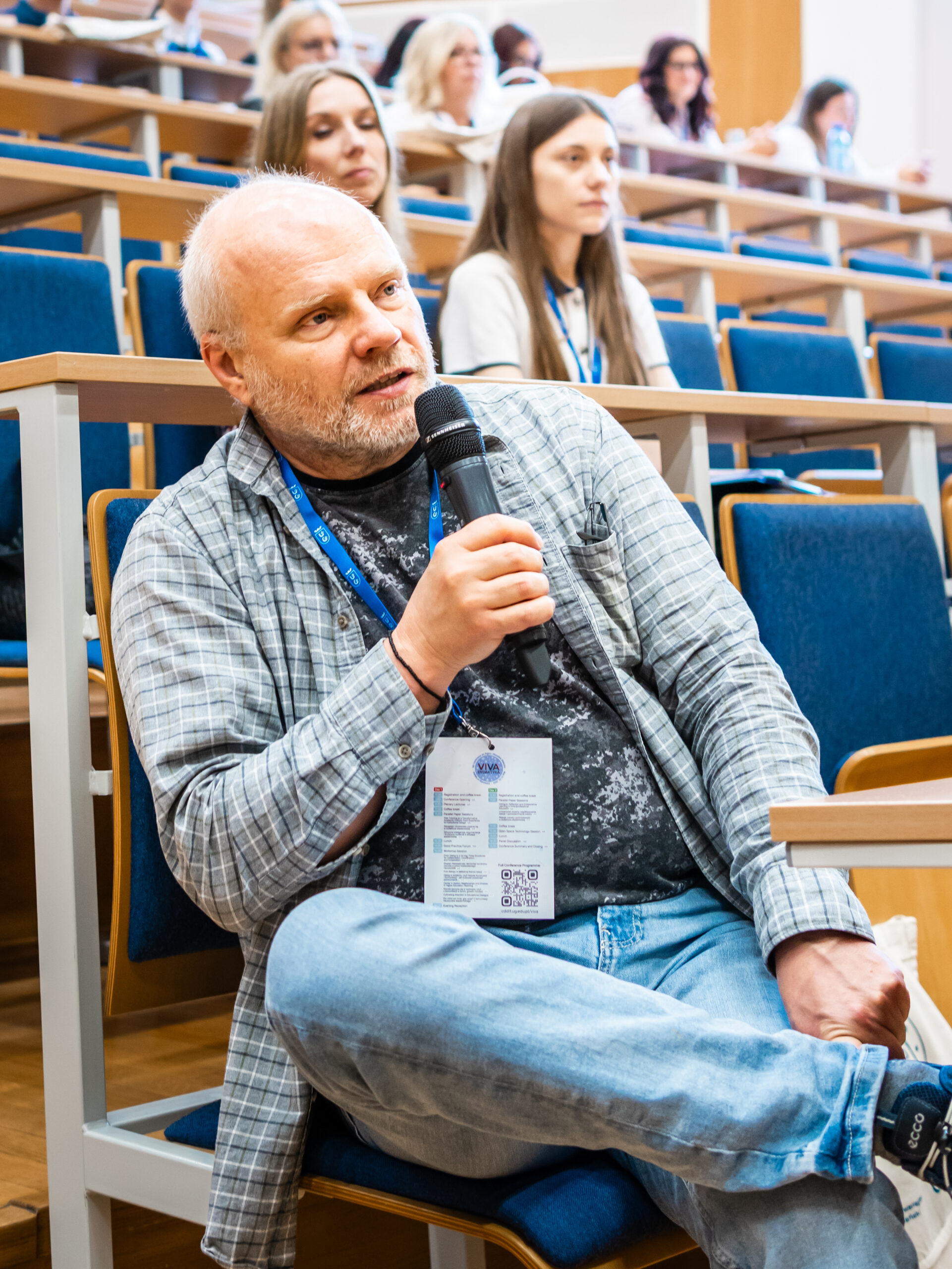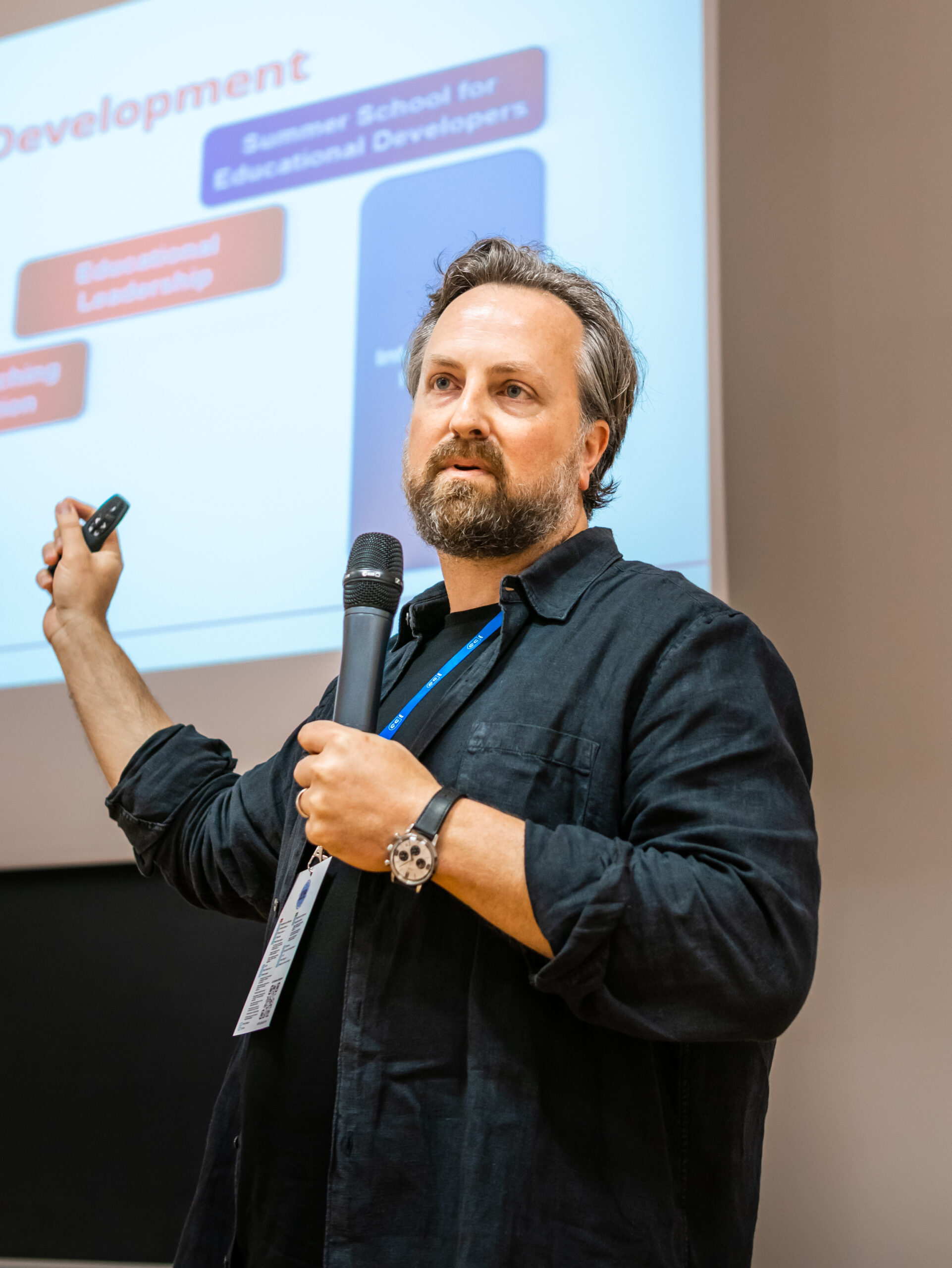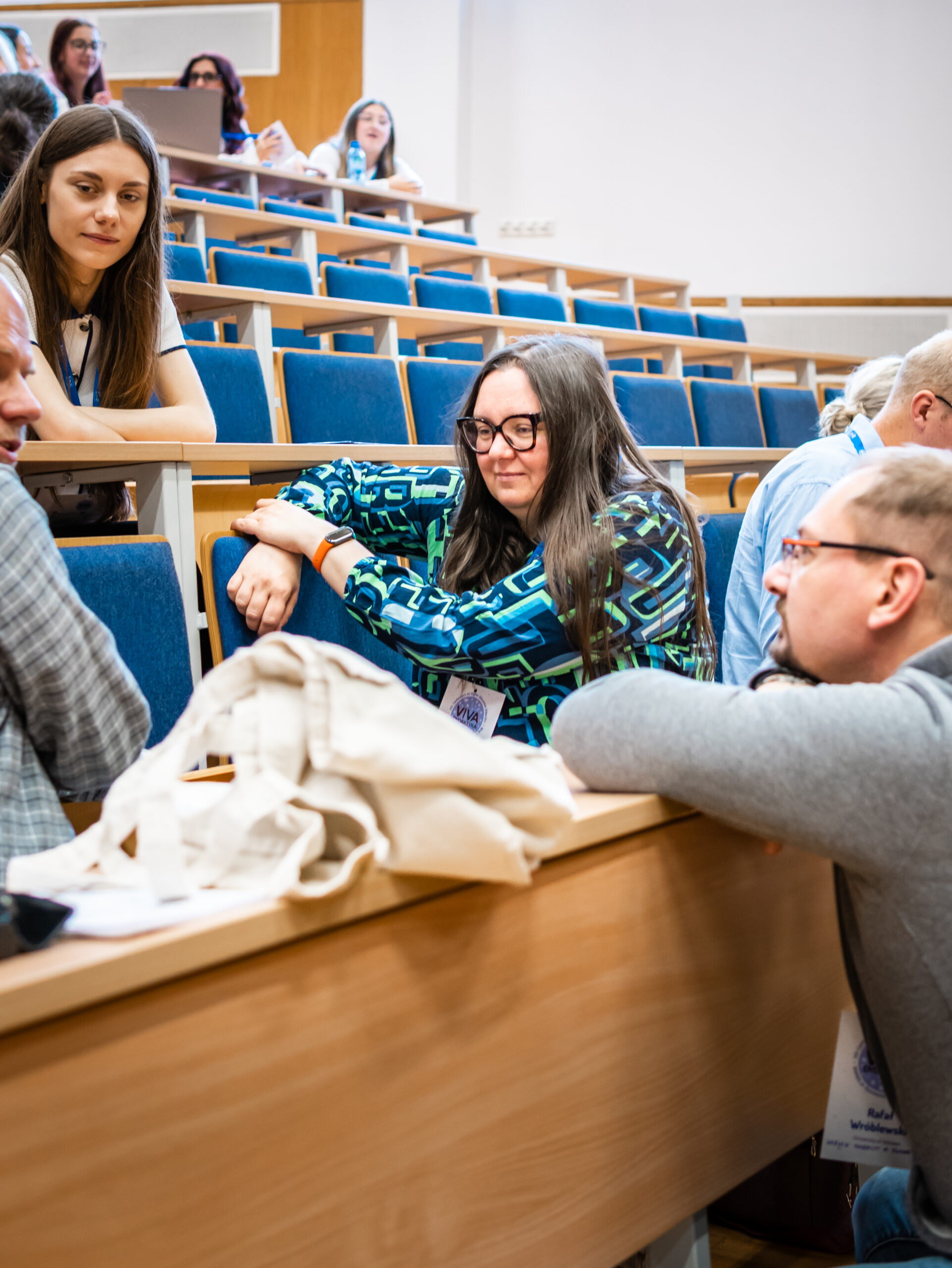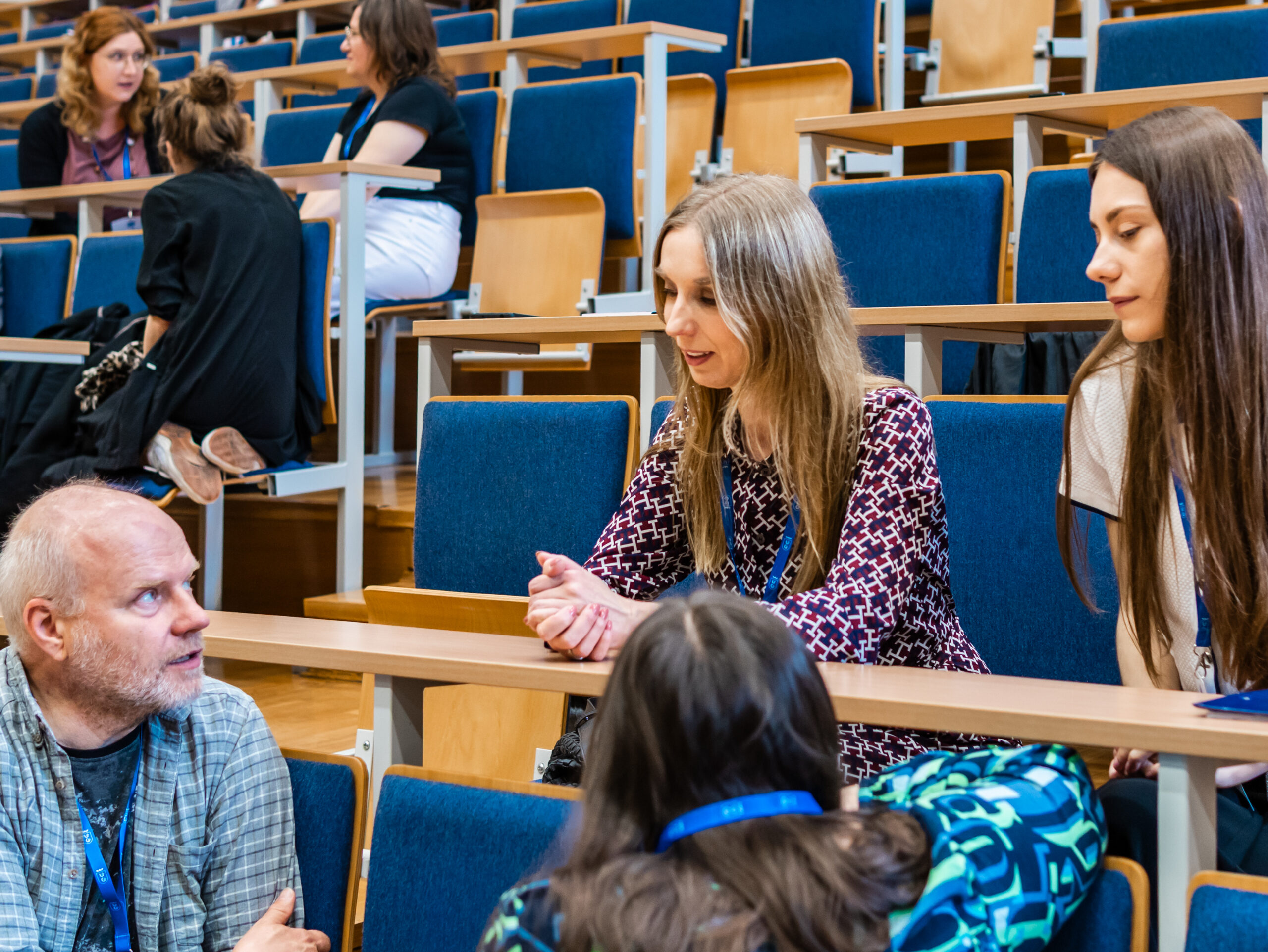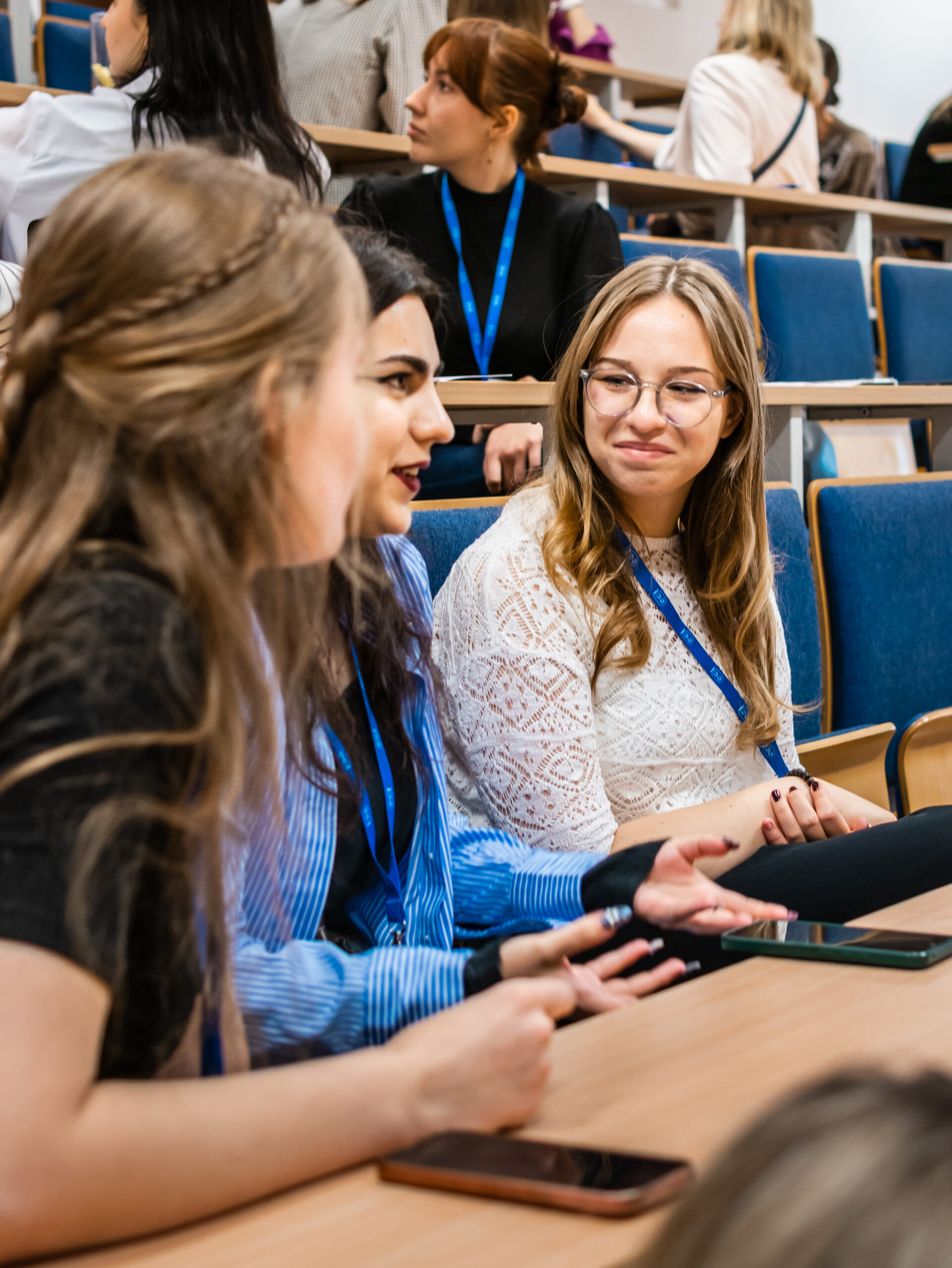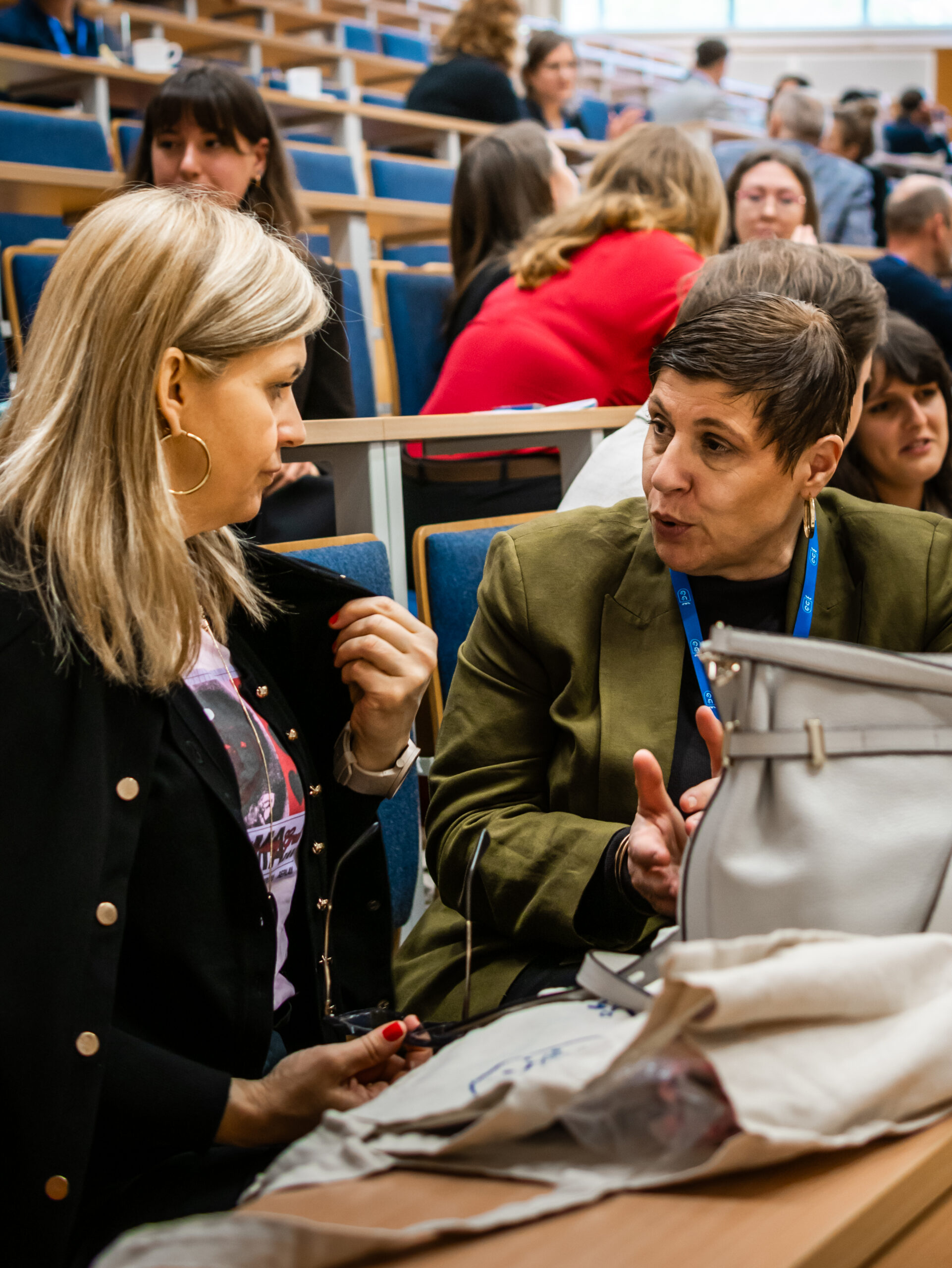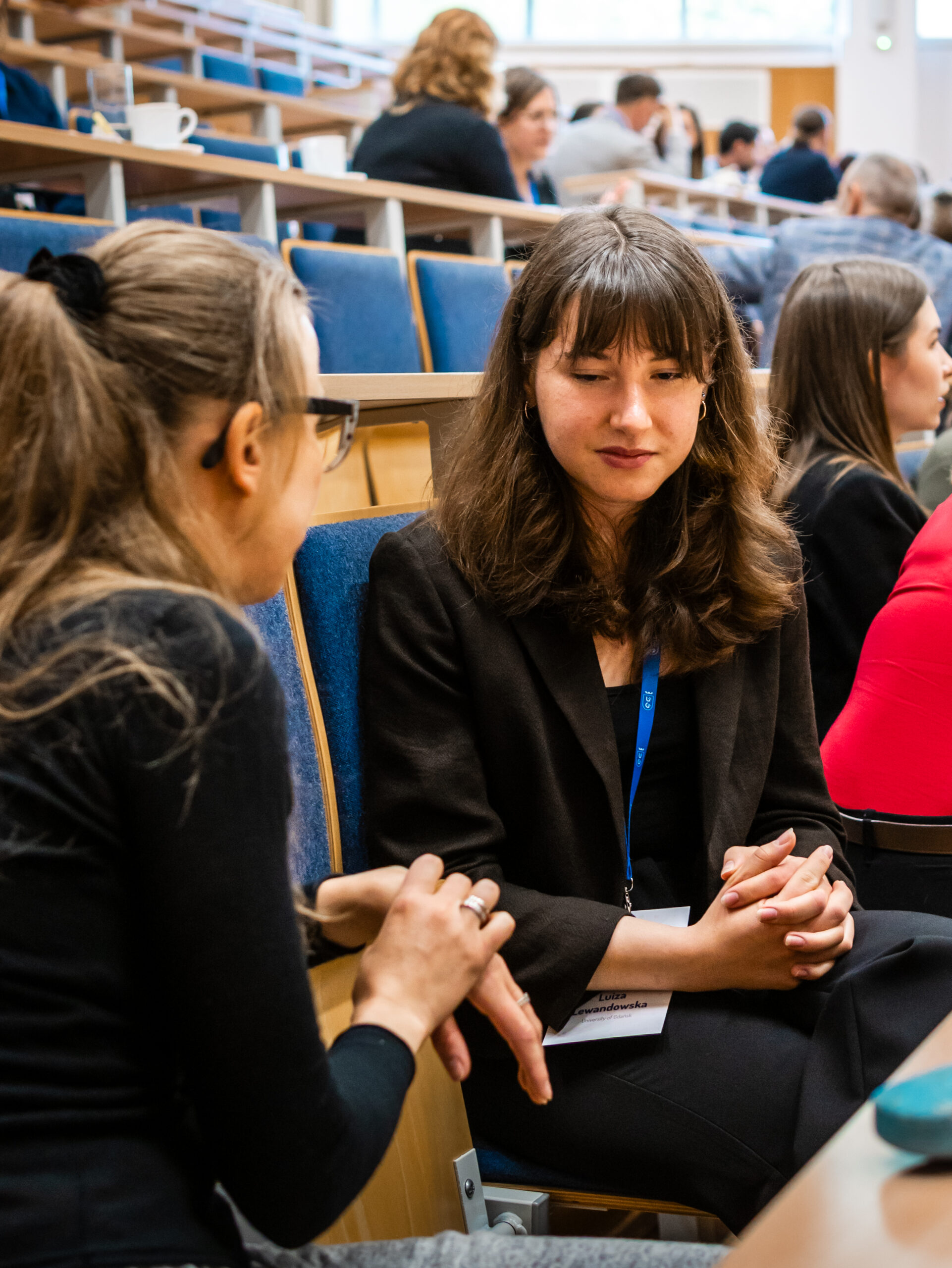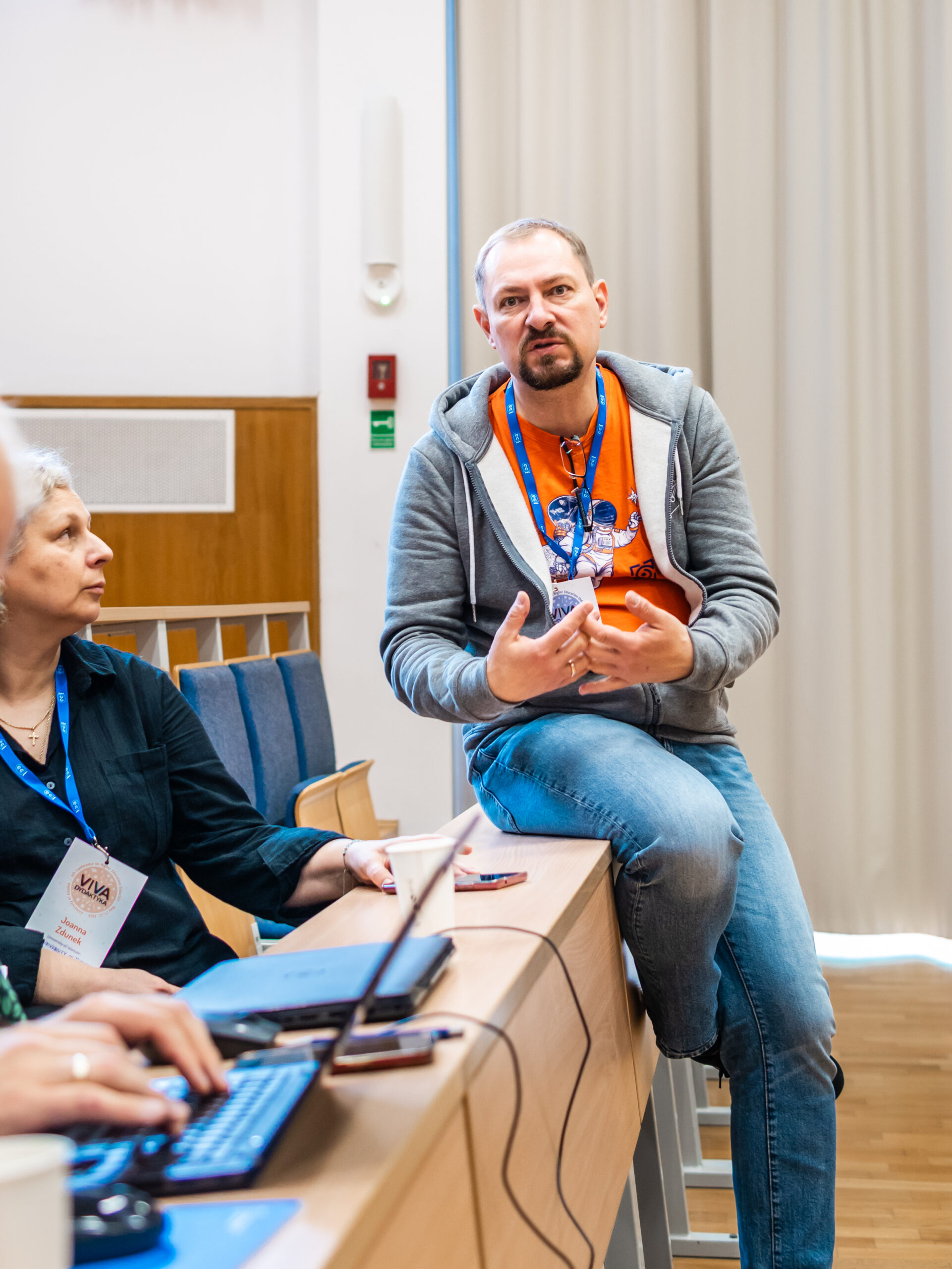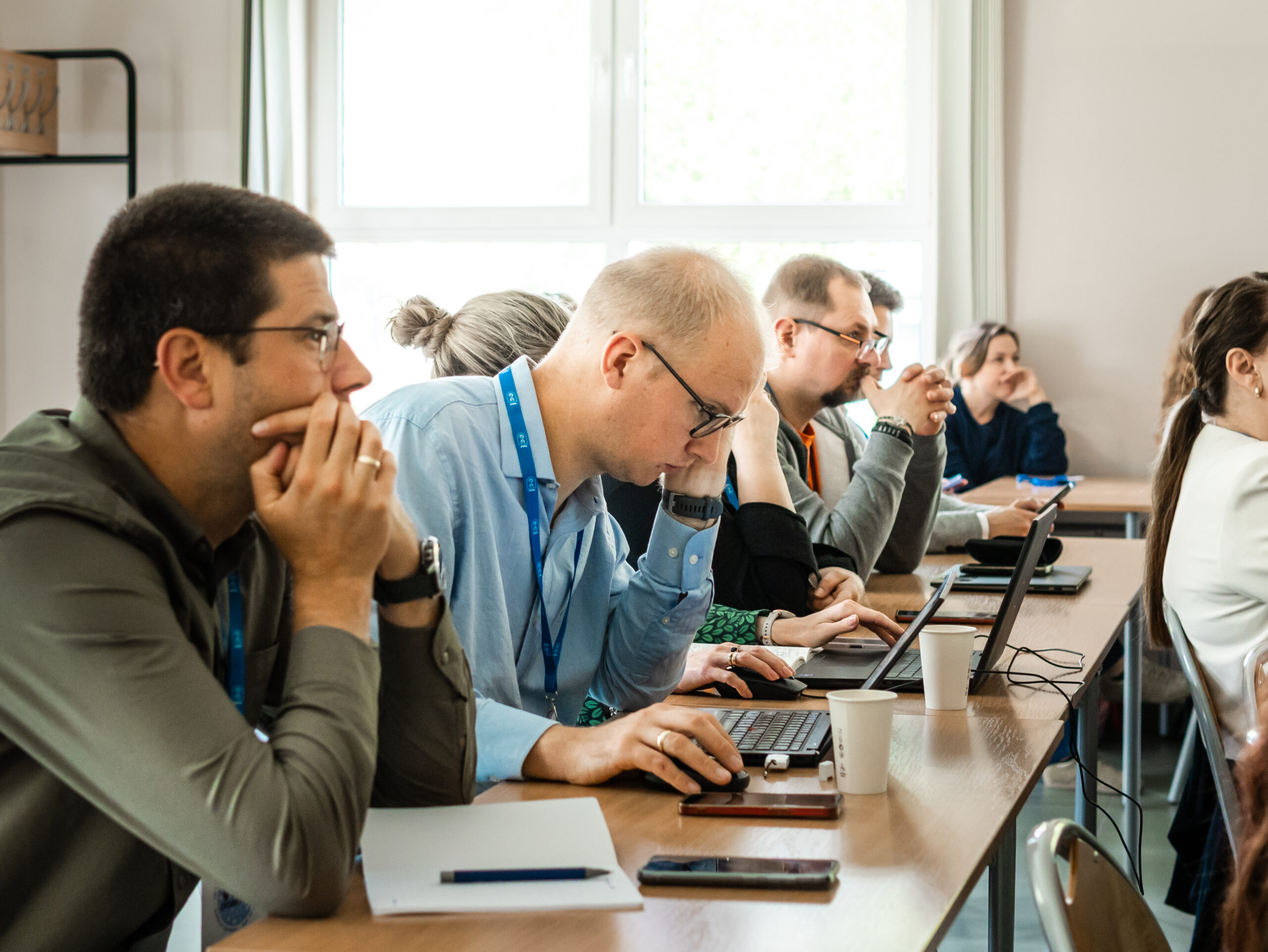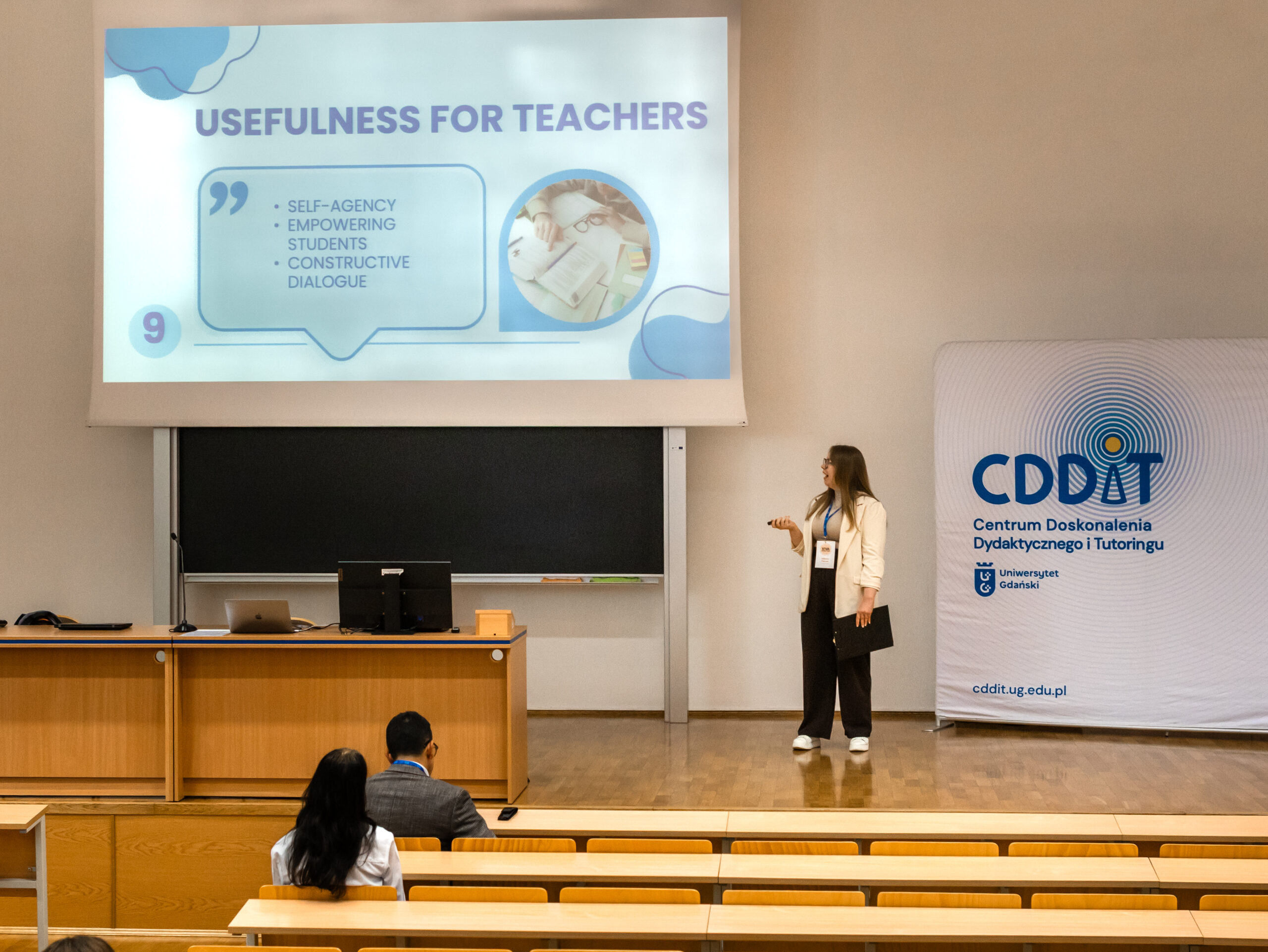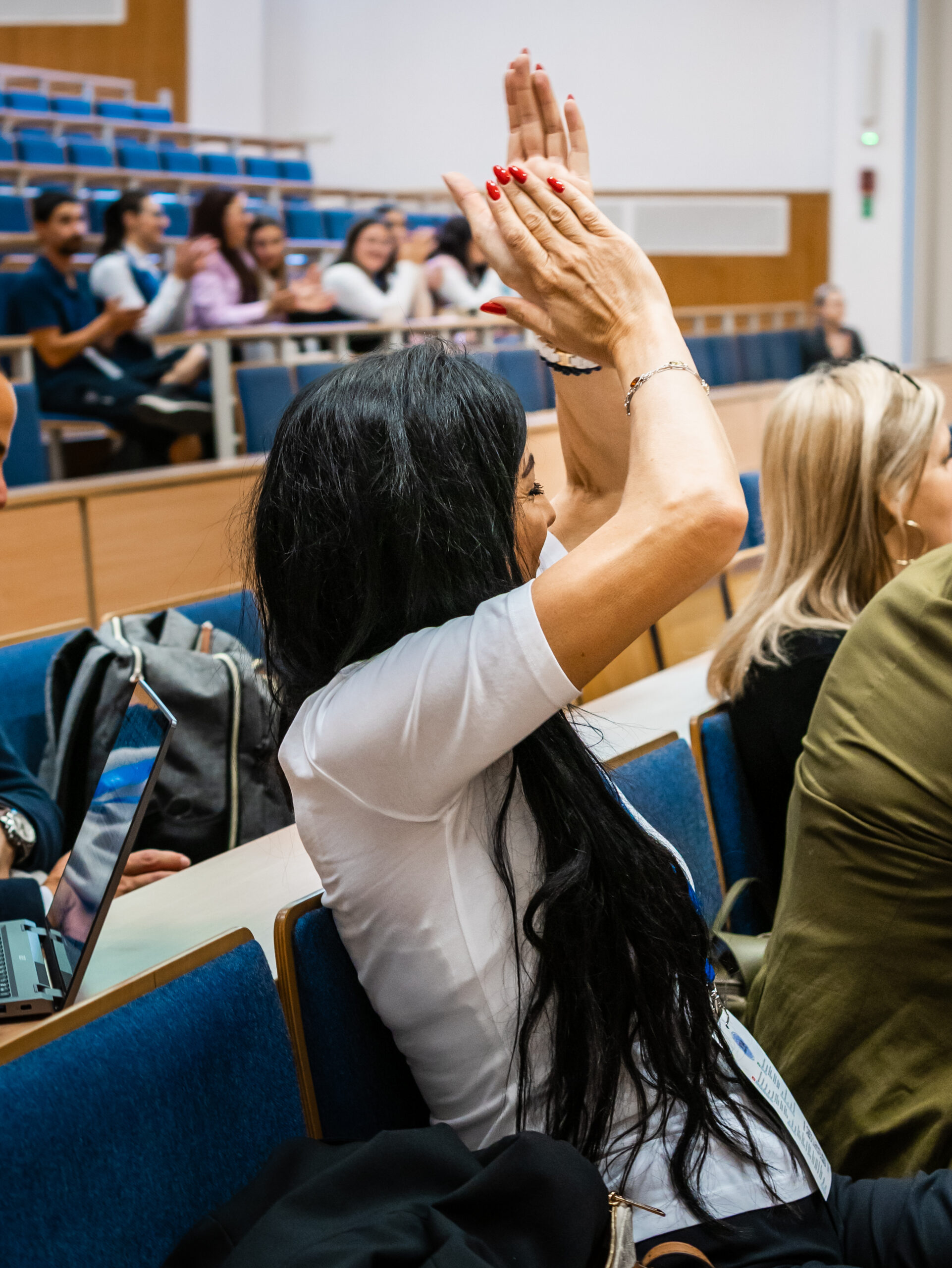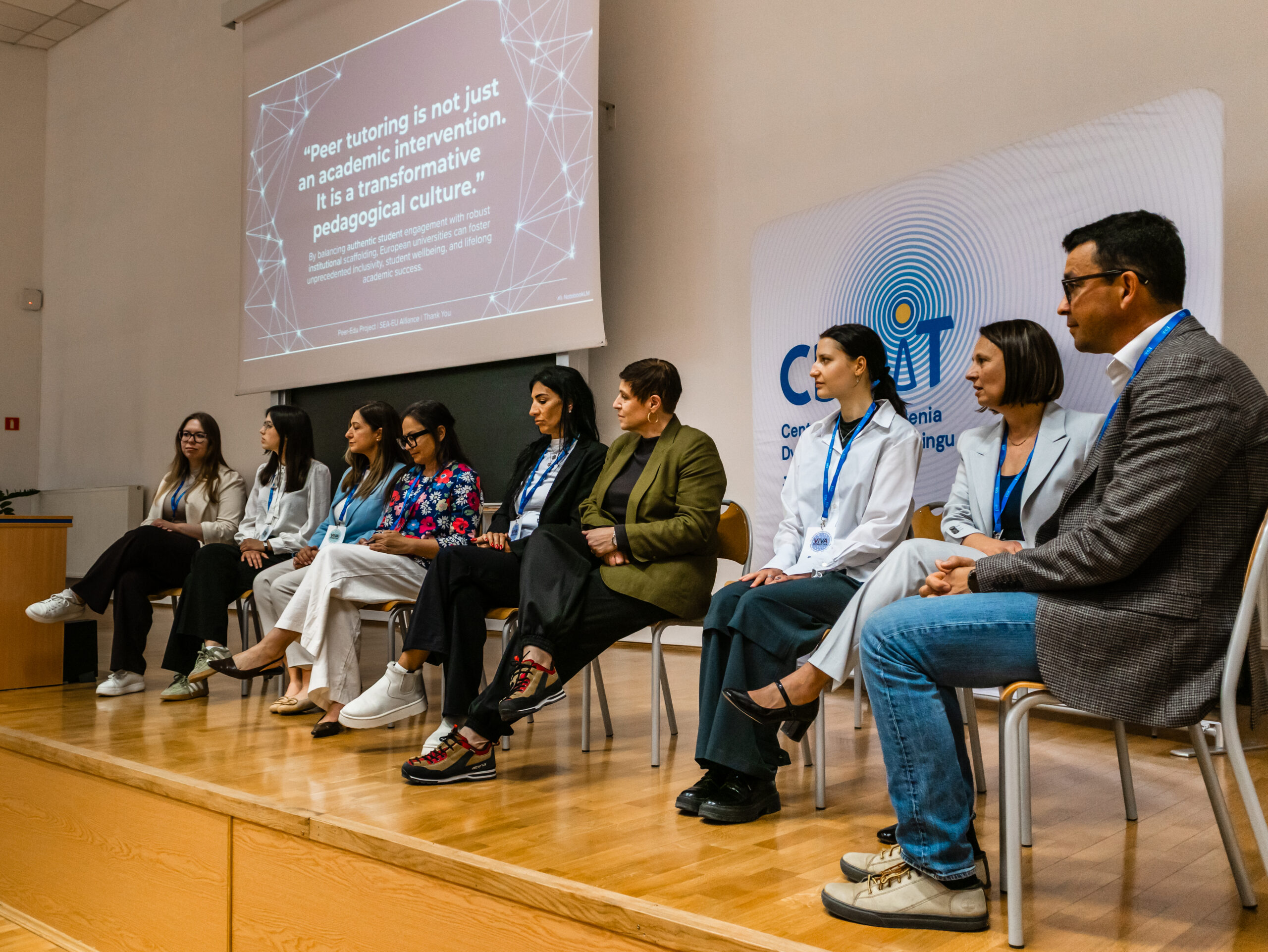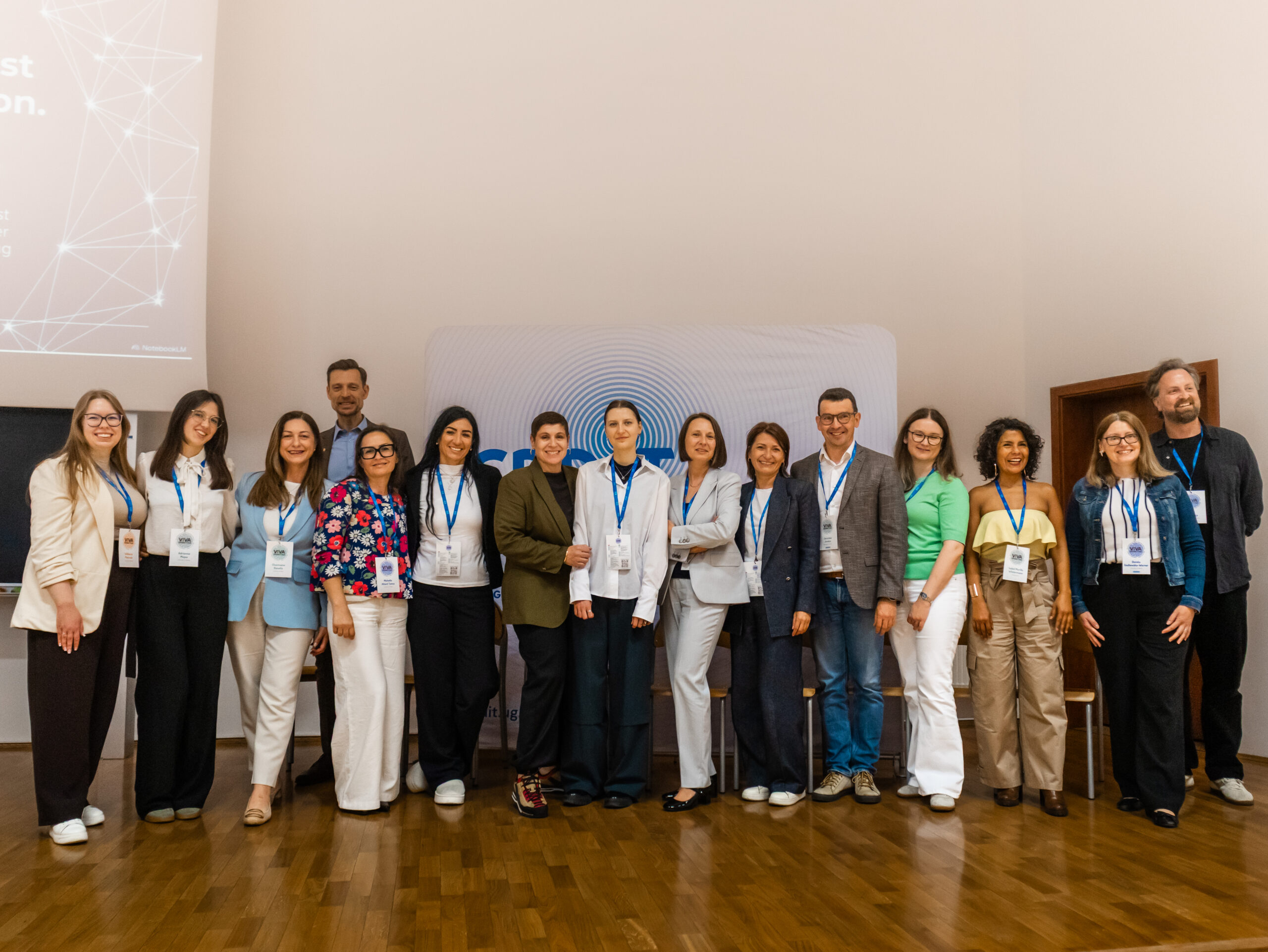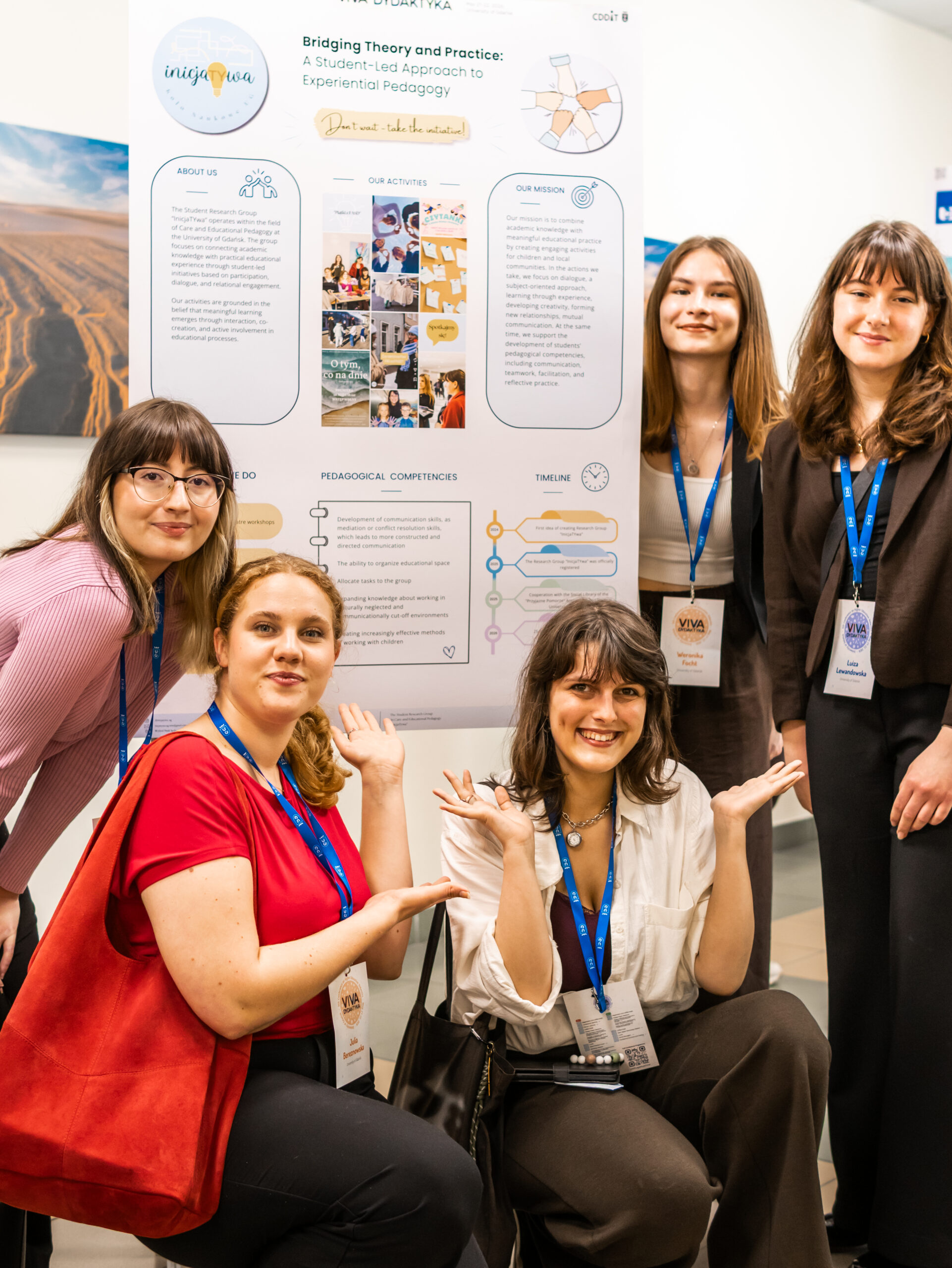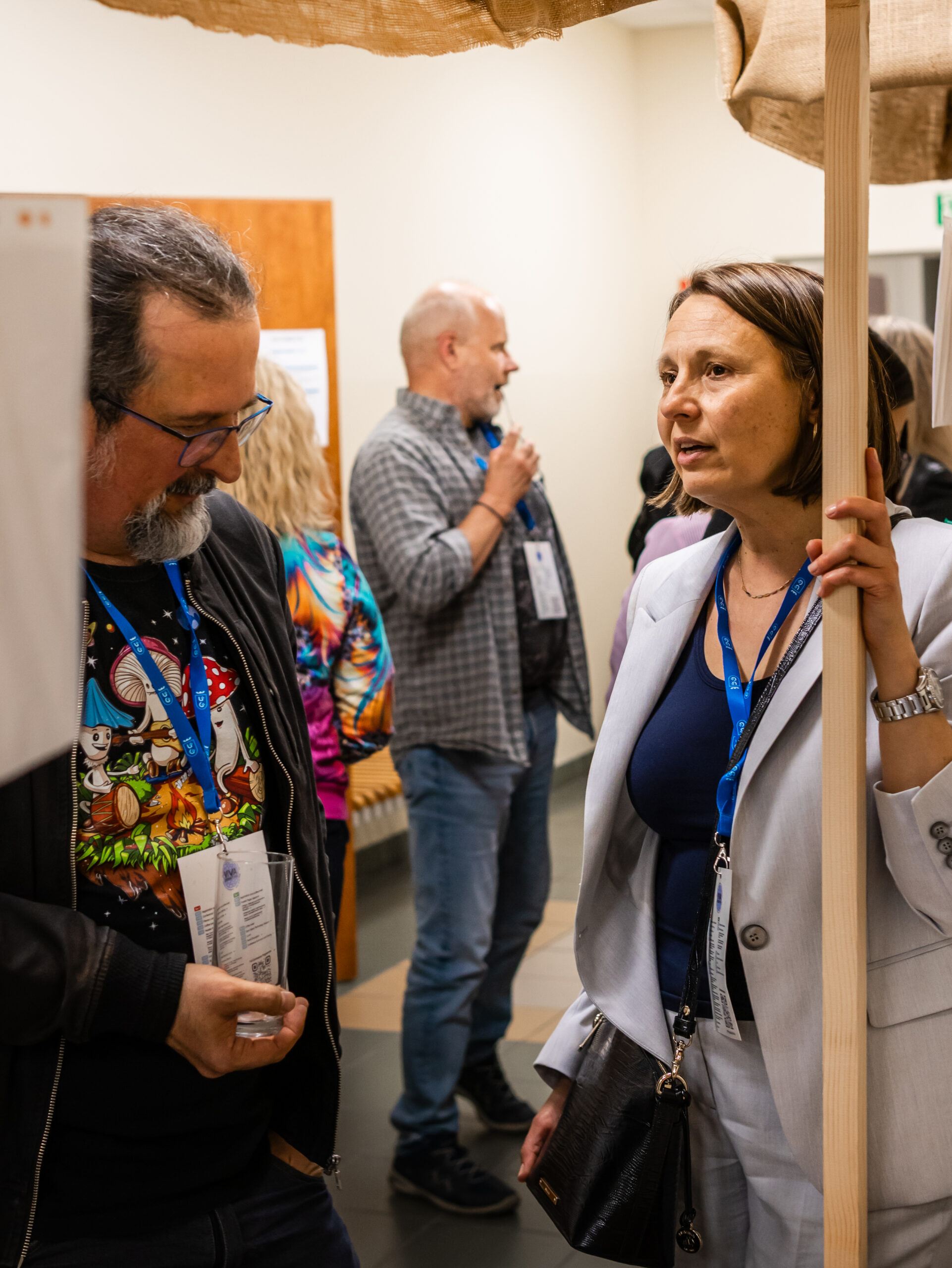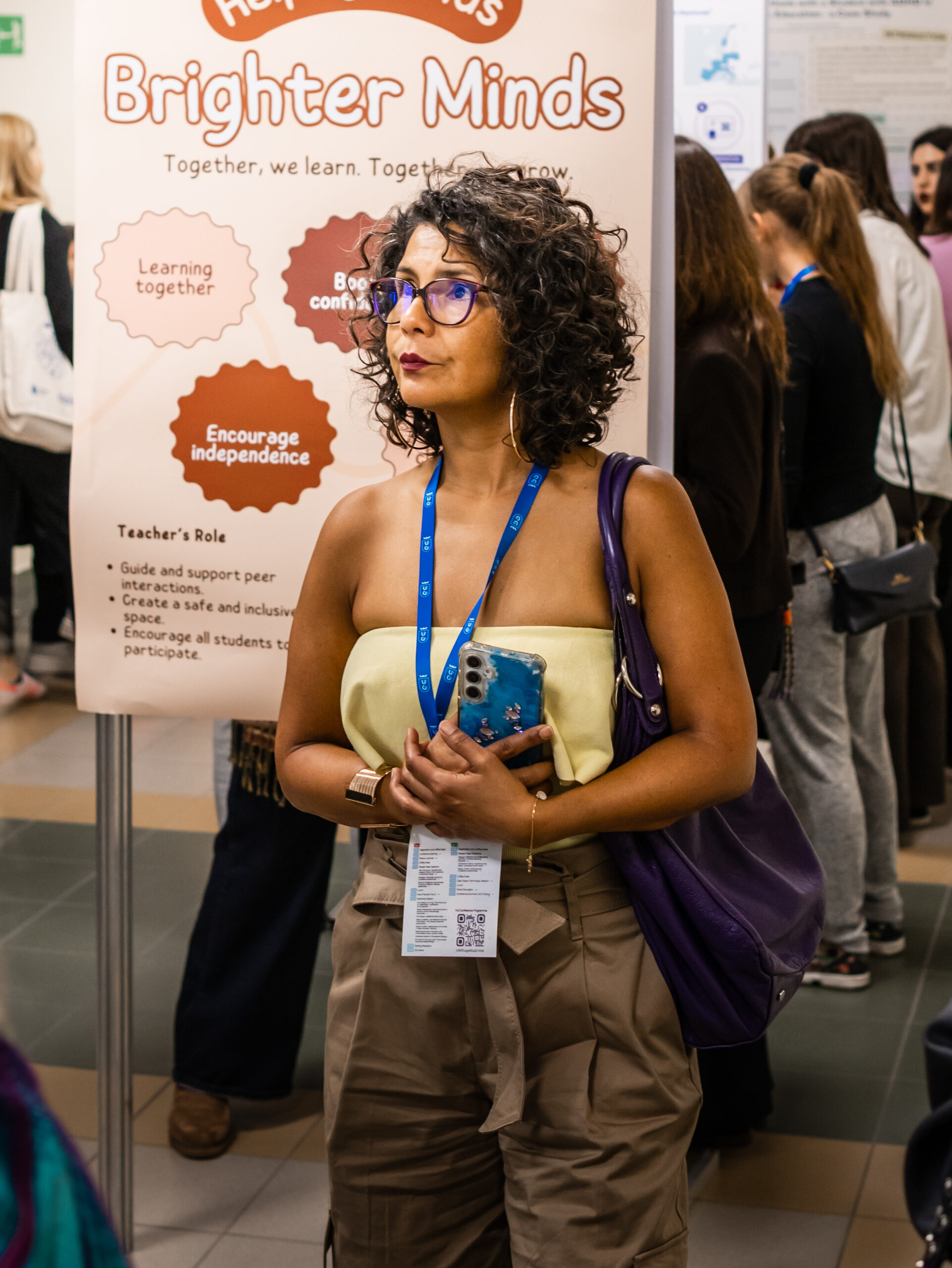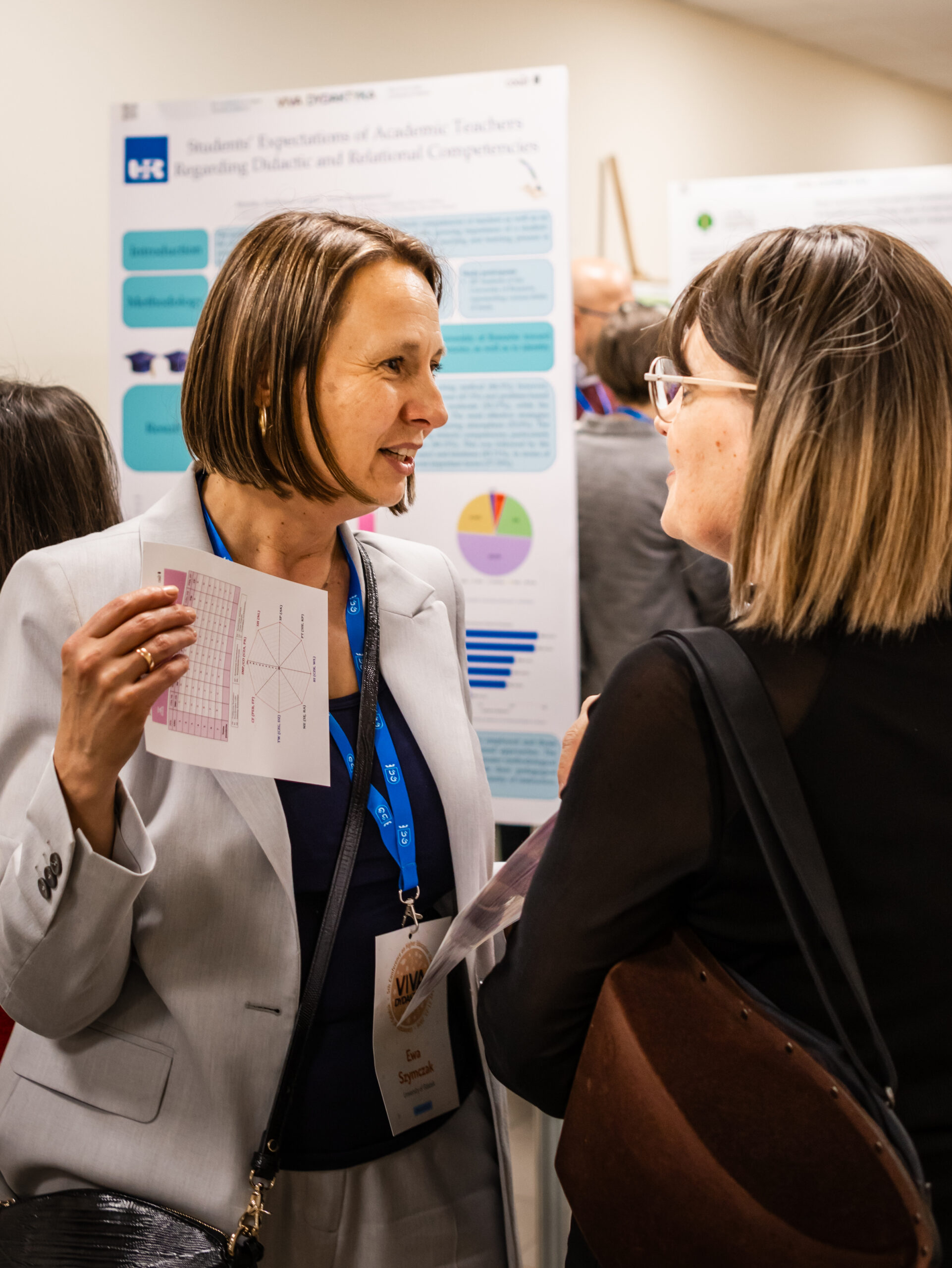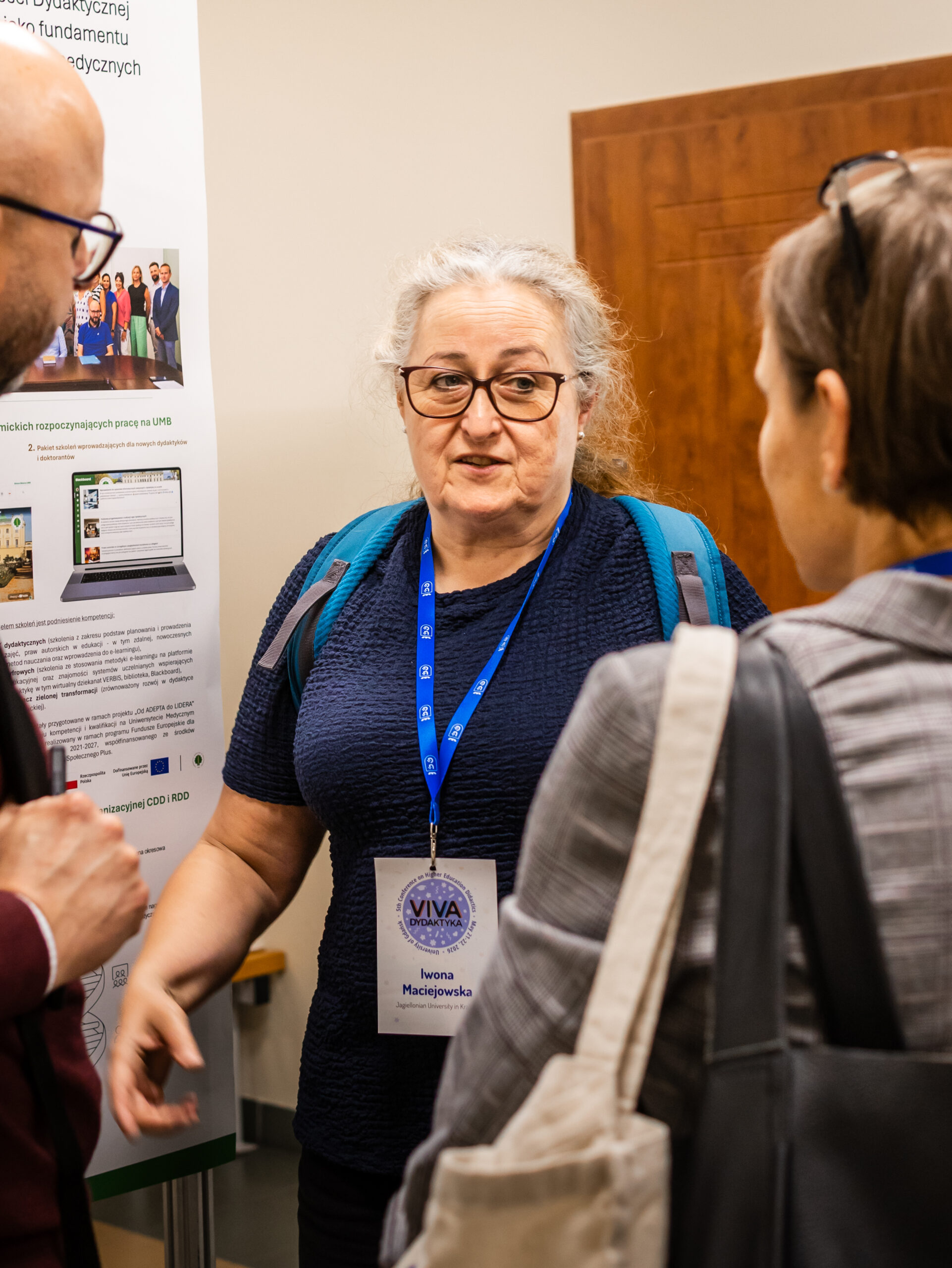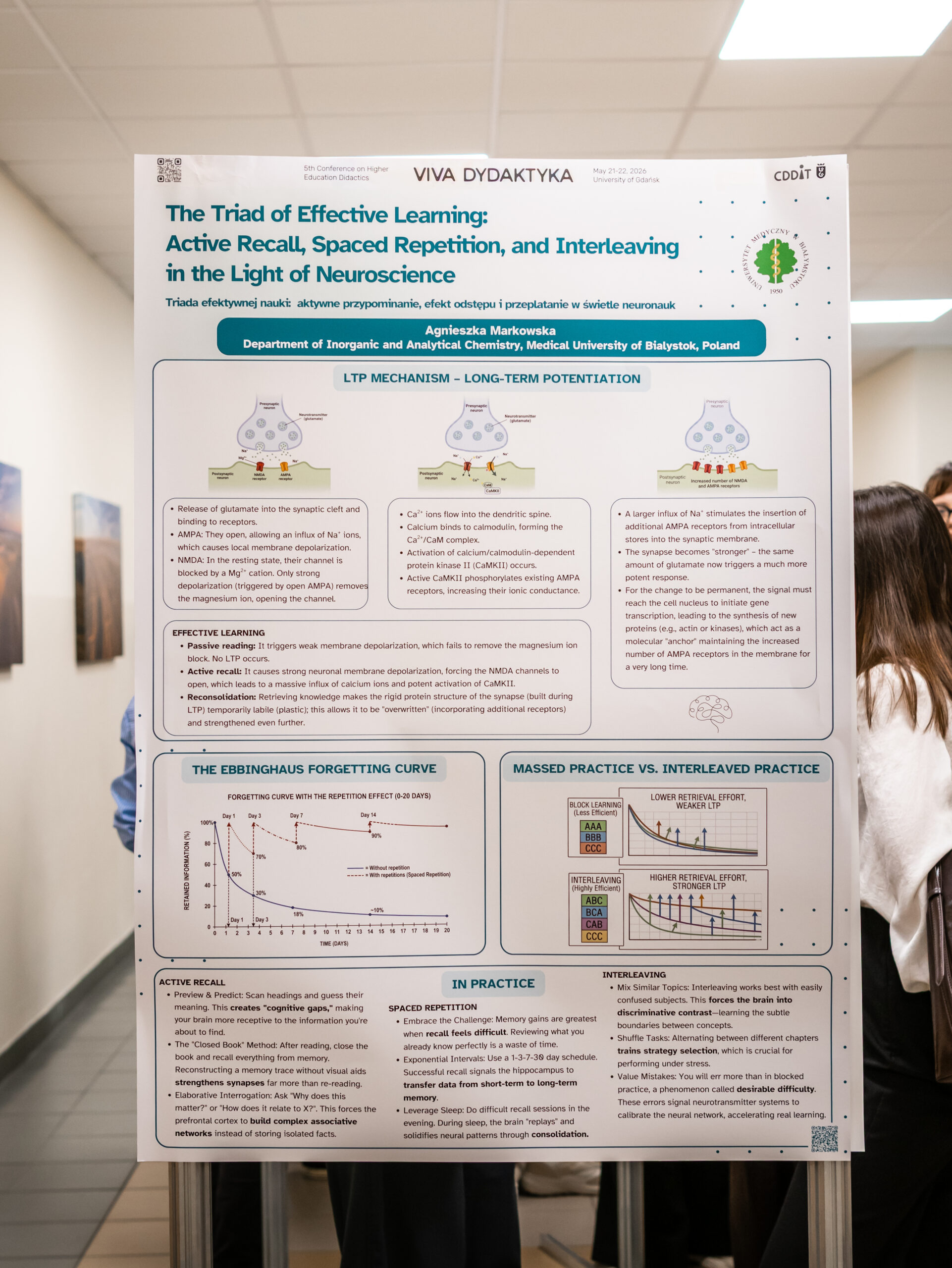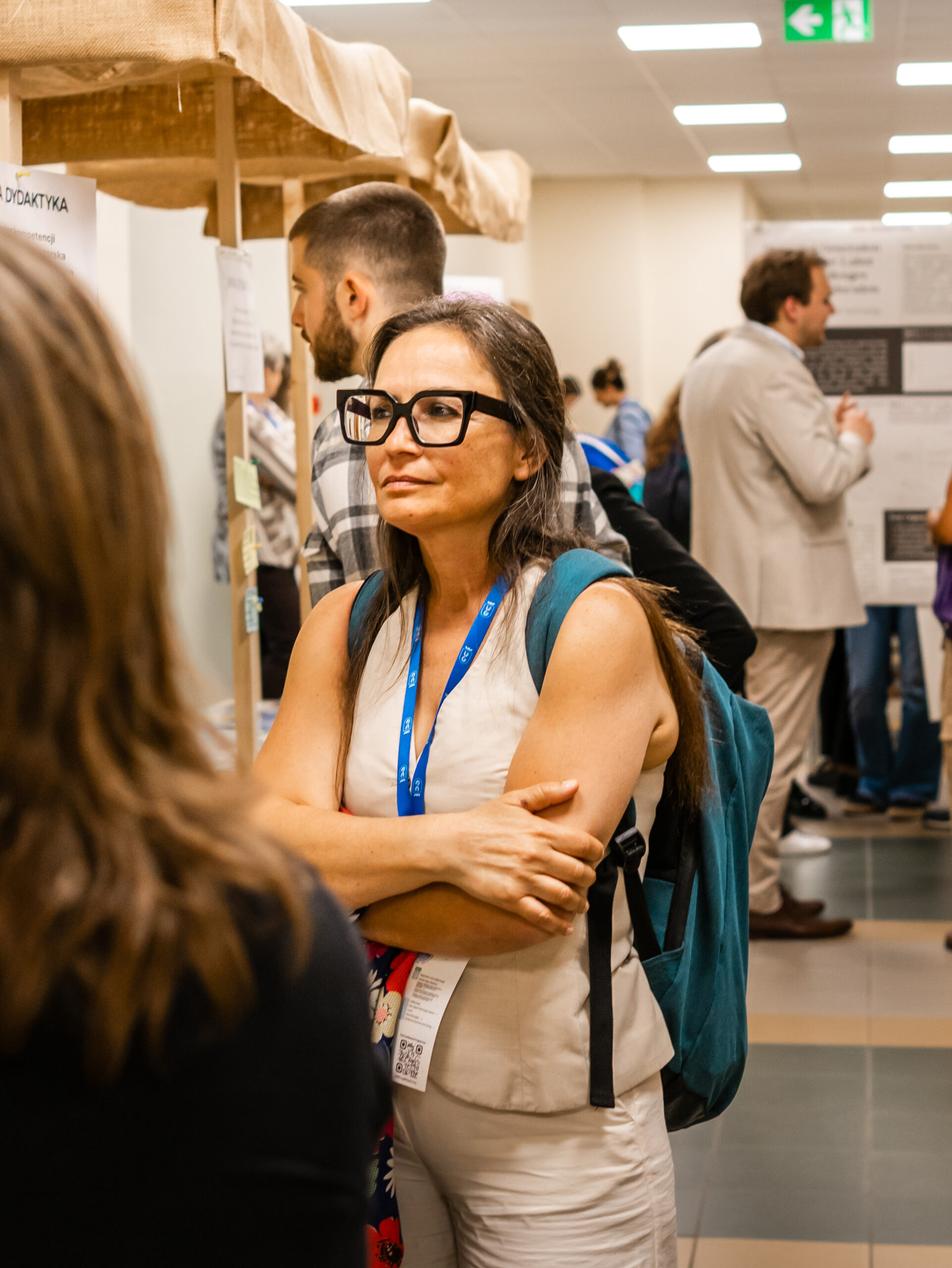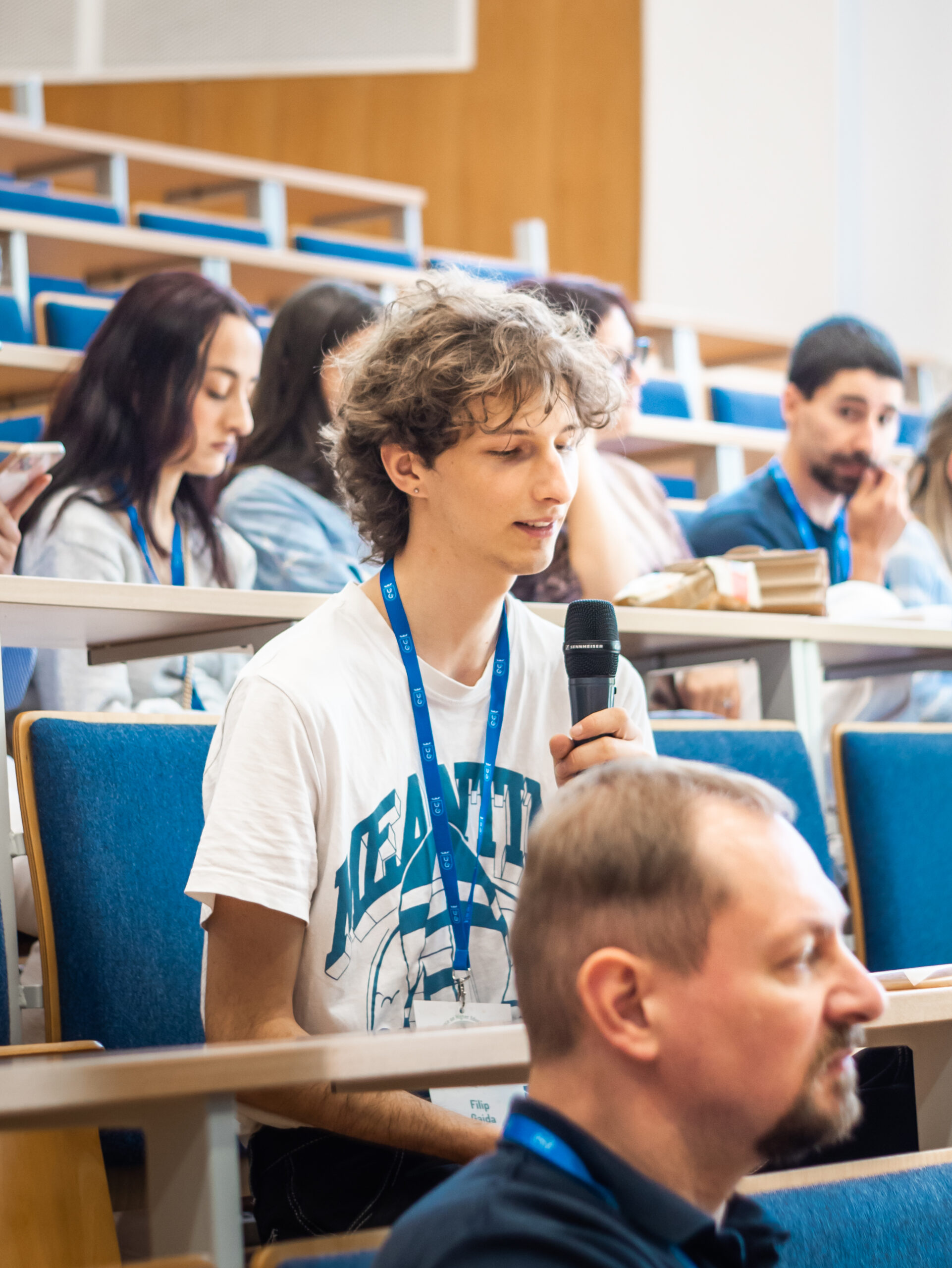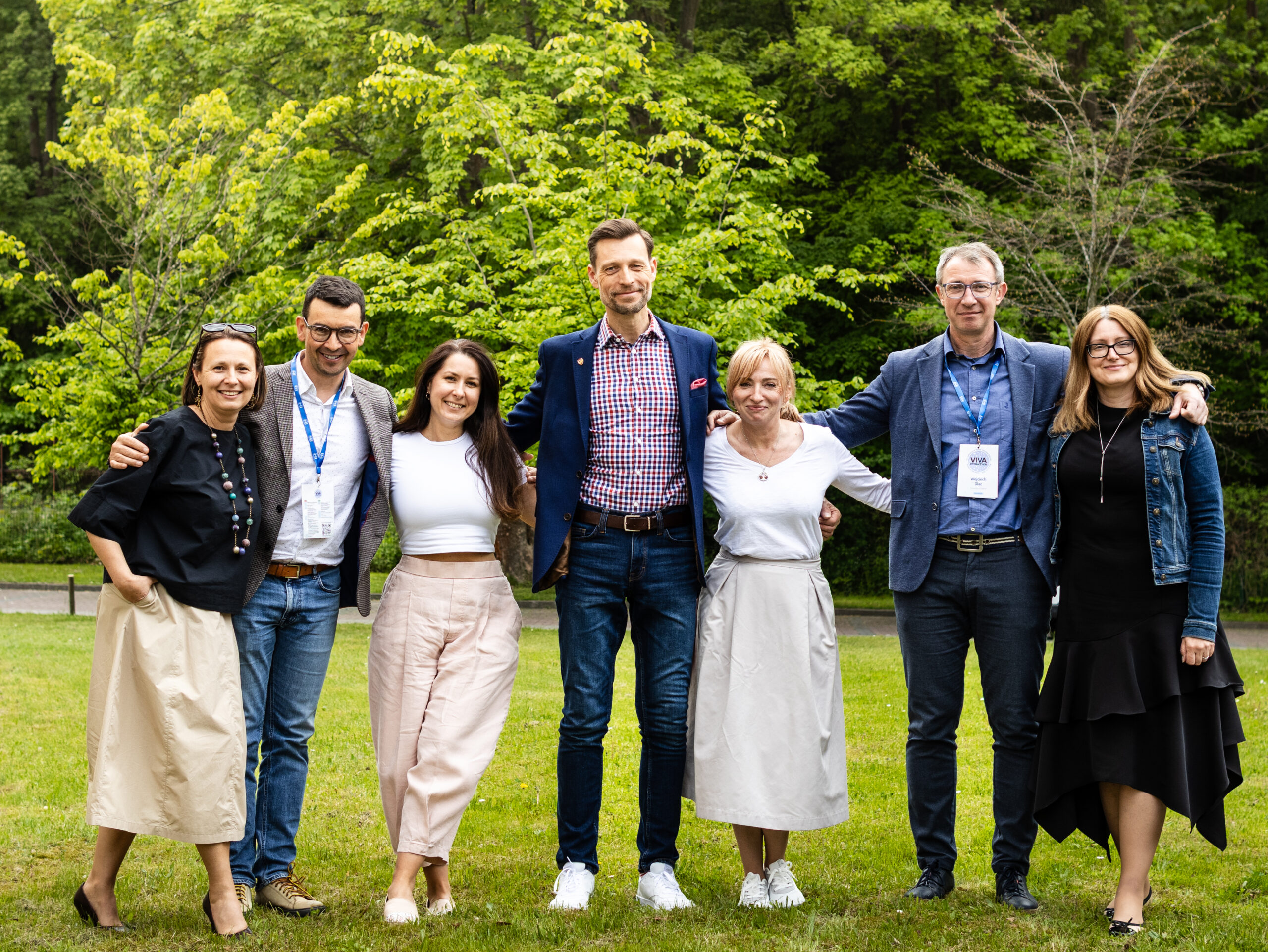
On 21–22 May 2026, the University of Gdańsk hosted the 5th edition of the Higher Education Teaching Conference Viva Dydaktyka!, organized by the University of Gdansk Center for the Development of Teaching and Tutoring. This year’s conference, held under the theme “From Transmission to Dialogue: Teaching in Relationships”, brought together more than 150 participants from Poland and international academic institutions, including representatives from the University of Malta, University of Split, University of Groningen, Kiel University, and Nord University.
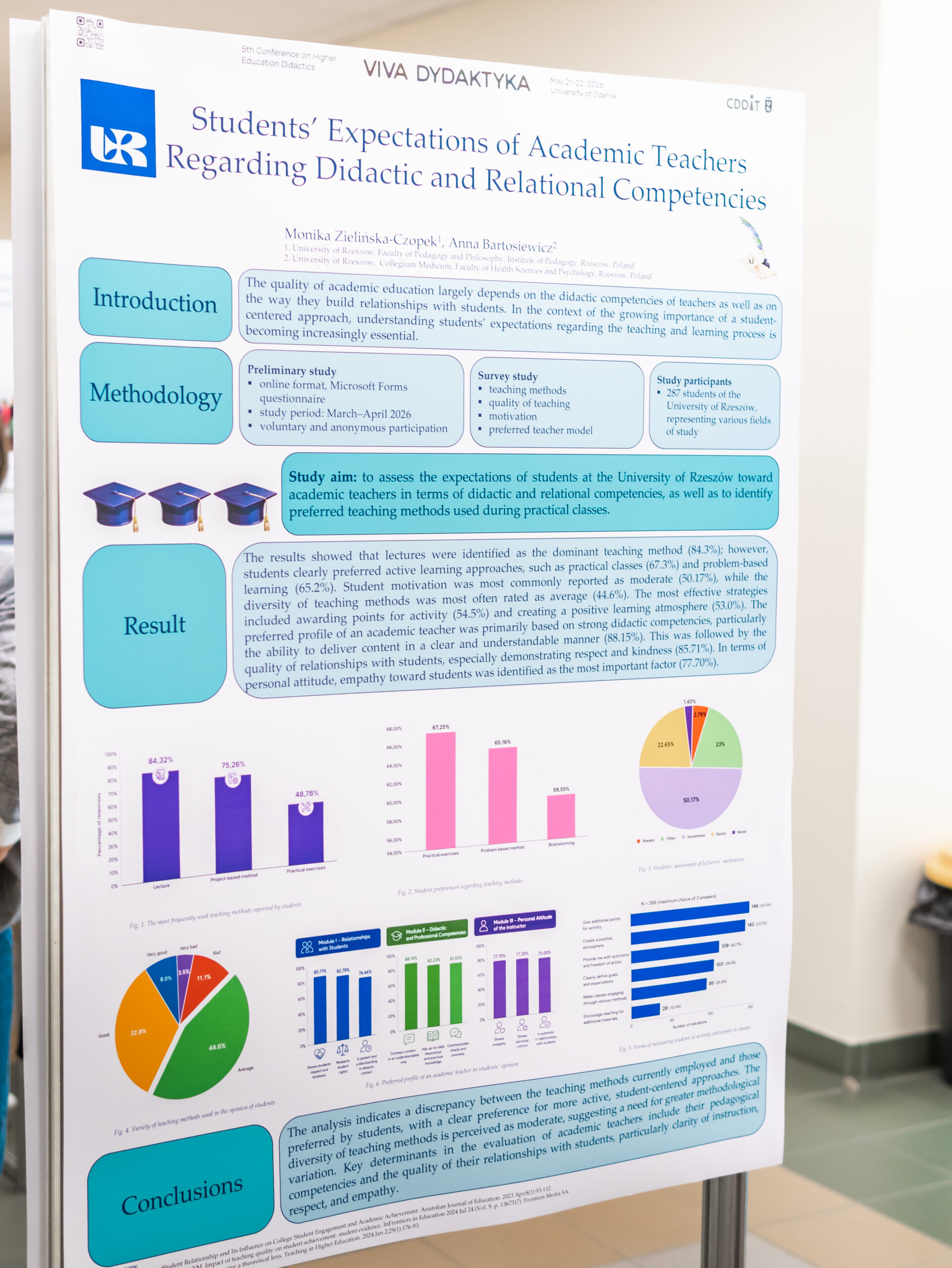
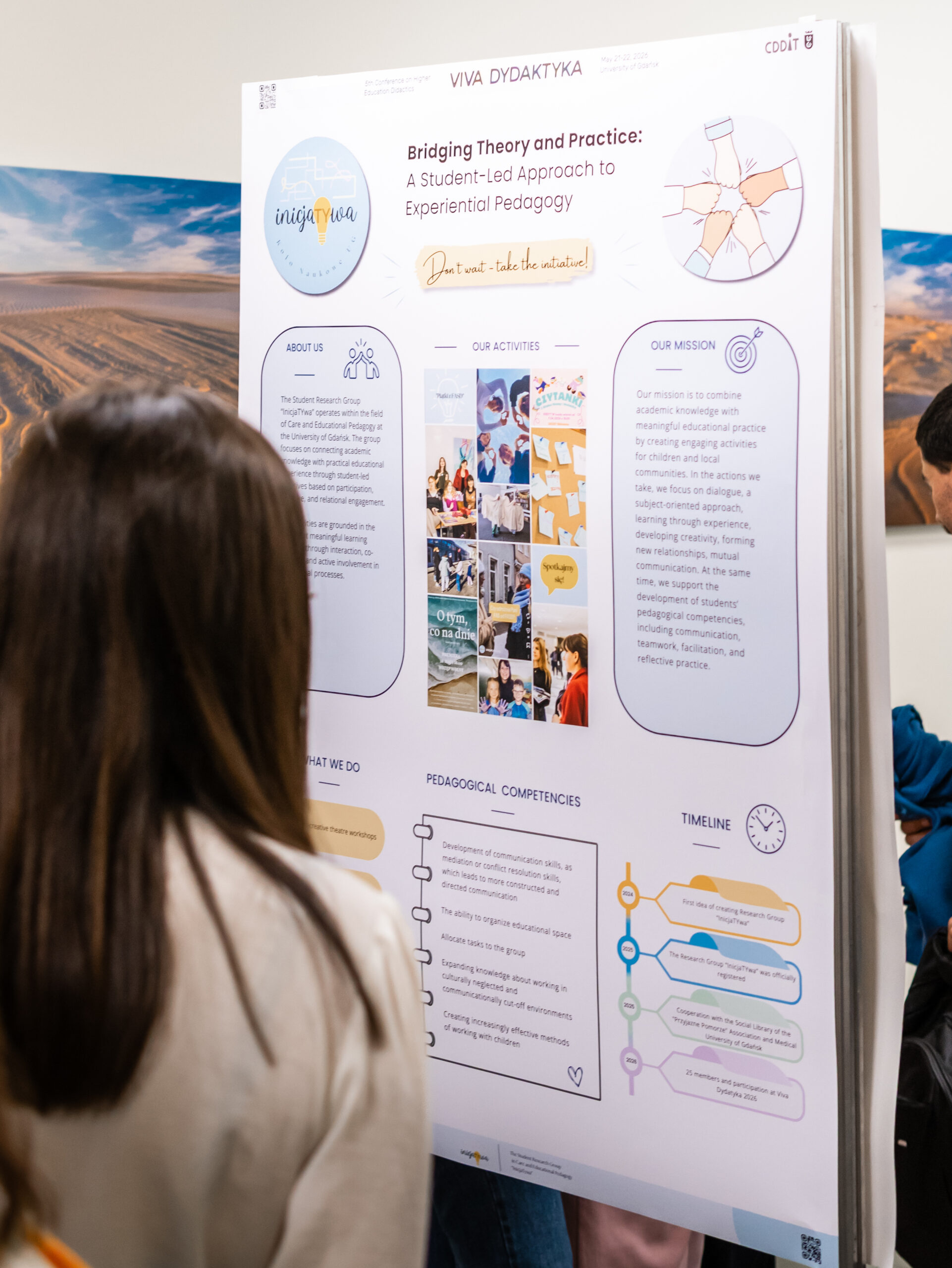
The conference provided a space for reflection on academic teaching as a dialogical process based on relationships, collaboration, and the co-creation of knowledge. Through keynote lectures, workshops, poster sessions, and panel discussions, participants explored topics such as dialogic learning, academic tutoring, student engagement, and innovative teaching methods in higher education.
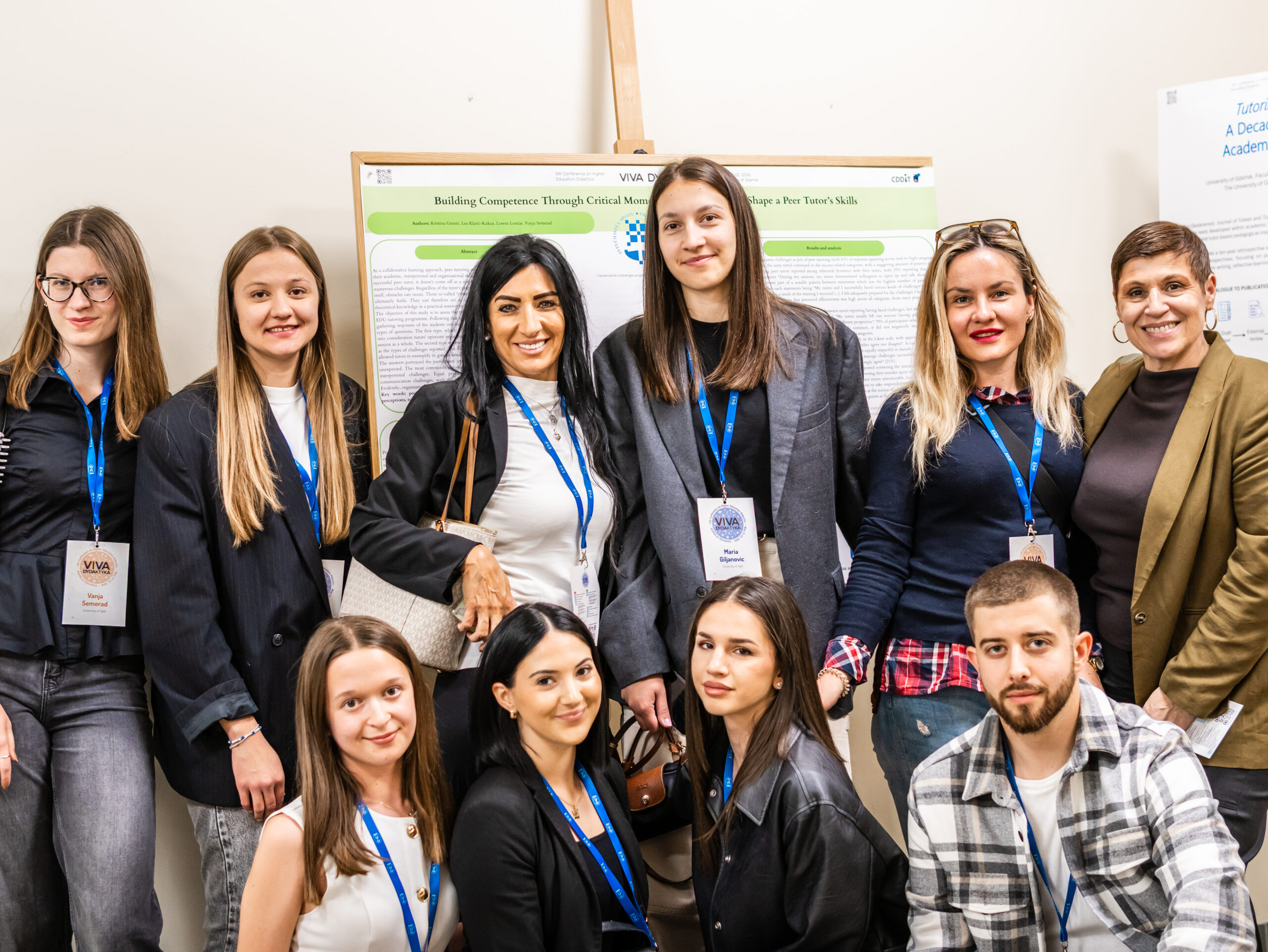
A particularly important aspect of this year’s event was the active participation of students involved in the project “Transformation of Competencies at the University: Peer-Tutoring as a Key Element of Student Development Support” (Peer-EDU), funded by the Polish National Agency for Academic Exchange (NAWA).
The conference served as a significant platform for disseminating the outcomes of the Peer-EDU project. Student peer tutors and project participants contributed not only as conference attendees but also as presenters, sharing their experiences, reflections, and the results of activities carried out within the project. Their contributions demonstrated how peer tutoring can strengthen student engagement, support competence development, and foster a culture of partnership within the university community.
By giving students a visible and active role in the programme, the conference provided a practical example of the project’s core principles. The presence of peer tutors highlighted the value of student-staff collaboration and showcased how students can become co-creators of the educational process rather than passive recipients of knowledge.
The participation of project partners and representatives from international higher education institutions also created opportunities to exchange experiences and discuss the future development of peer tutoring and student-centred learning in European universities. These discussions contributed to the wider dissemination of project results and strengthened the international dimension of the Peer-EDU initiative.
Once again, Viva Dydaktyka! confirmed its role as an important forum for sharing ideas, research findings, and good practices in higher education teaching. For the Peer-EDU project, the conference provided an excellent opportunity to present achievements, promote project outcomes, and engage a broader academic audience in discussions about the future of student support and peer learning.
We would like to thank all participants, speakers, moderators, and students for their valuable contributions and commitment. Their openness, enthusiasm, and willingness to engage in dialogue made the conference a truly collaborative learning experience.
We look forward to continuing these conversations and further developing peer tutoring practices across higher education institutions in Europe.